
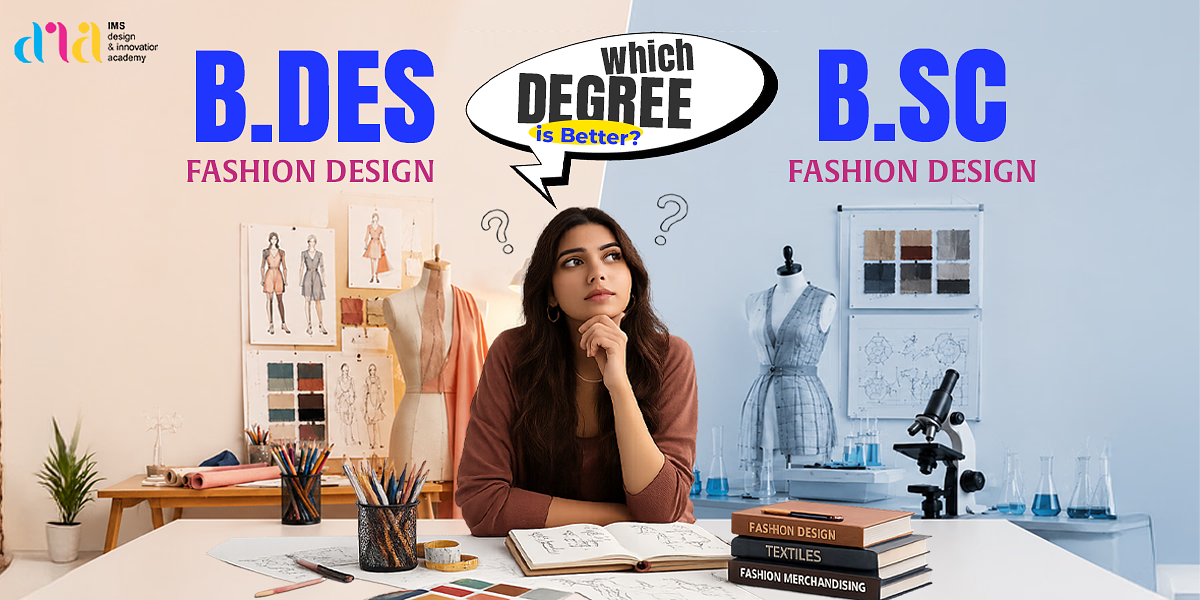
Choosing the right fashion design degree after Class 12 is one of the most important decisions for students planning a career in the fashion industry. Two of the most common undergraduate options are B Des Fashion Design and B Sc Fashion Design. Although both programs prepare students for careers in apparel, textiles, and fashion businesses, they differ significantly in curriculum, teaching methodology, creative emphasis, technical training, portfolio development, and career pathways.
Understanding the difference between B Des and B Sc Fashion Design helps students align their education with their interests, career goals, and preferred learning style. This guide provides a detailed comparison of B Des Fashion Design vs B Sc Fashion Design, covering course structure, industry exposure, career opportunities, expected salary ranges, and factors to consider before selecting a college.
B Des Fashion Design vs B Sc Fashion Design: Quick Comparison
| Parameter | B.Des in Fashion Design | B.Sc in Fashion Design |
|---|---|---|
| Course Focus | Design thinking, creativity, innovation, and fashion concepts | Apparel production, garment technology, textiles, and manufacturing |
| Duration | 4 years (varies by university) | 3–4 years (depending on the institution) |
| Learning Approach | Studio-based, project-driven, and design-centric | Classroom learning with practical laboratory sessions |
| Curriculum | Fashion illustration, draping, design research, portfolio development, and collection design | Textile science, garment construction, merchandising, production techniques, and quality control |
| Career Focus | Fashion Designer, Stylist, Fashion Illustrator, Creative Director, Entrepreneur | Production Executive, Merchandiser, Quality Analyst, Textile Specialist, Garment Technologist |
What is B Des Fashion Design?
Bachelor of Design (B Des) in Fashion Design is a professional design program that develops creative problem-solving skills, design thinking, fashion visualization, garment development, and portfolio creation.
Students learn how to transform ideas into wearable collections by combining aesthetics, market research, material knowledge, digital design tools, and garment construction techniques. Studio assignments, concept development, design critiques, and industry projects form a major part of the curriculum. These practical learning experiences can also help students evaluate government vs private fashion design colleges based on the quality of education and industry exposure they offer.
A typical B Des Fashion Design program includes subjects such as:
- Fashion Illustration
- Design Fundamentals
- Fashion History
- Textile Exploration
- Pattern Making
- Draping
- Garment Construction
- CAD for Fashion
- Fashion Forecasting
- Fashion Communication
- Portfolio Development
- Graduation Collection
The program is suitable for students who want to pursue creative design careers or establish their own fashion labels in the future.
What is B Sc Fashion Design?
Bachelor of Science (B Sc) in Fashion Design combines creative learning with scientific and technical aspects of apparel manufacturing and textile production.
While students also study fashion design principles, greater emphasis is placed on garment technology, production planning, textile science, quality control, apparel merchandising, and industrial processes.
A B Sc Fashion Design curriculum generally includes:
- Textile Science
- Apparel Manufacturing
- Garment Construction
- Pattern Making
- Fashion Illustration
- Fabric Analysis
- Production Technology
- Quality Management
- Apparel Merchandising
- Industrial Training
The program is well suited for students interested in apparel production, manufacturing operations, merchandising, textile industries, and fashion technology.
Key Differences Between B Des Fashion Design and B Sc Fashion Design
Here are the key differences between B Des fashion design and B Sc fashion design:
Curriculum Structure
One of the biggest distinctions in fashion design B Des vs B Sc is curriculum structure.
- A B Des curriculum emphasizes concept development, design research, visual storytelling, creative exploration, and portfolio building. Students often complete design collections that demonstrate originality and individual design identity.
- A B Sc curriculum allocates more academic time to textile technology, apparel production systems, manufacturing techniques, quality processes, and industrial applications.
Students who enjoy conceptual design may find B Des more aligned with their interests, while those interested in technical operations may prefer B Sc.
Learning Methodology
Teaching methods differ considerably between the two degrees.
B Des programs commonly use:
- Studio-based learning
- Design critiques
- Collaborative projects
- Collection development
- Industry presentations
- Design workshops
B Sc Fashion Design programs generally include:
- Classroom lectures
- Laboratory practicals
- Technical demonstrations
- Production exercises
- Industrial visits
- Manufacturing assignments
Both approaches include practical learning, but the educational environment differs based on course objectives.
Skills Developed
The difference between B Des and B Sc Fashion Design is also reflected in the skills students develop.
B Des graduates commonly develop:
- Creative thinking
- Fashion visualization
- Design research
- Trend interpretation
- Fashion illustration
- Collection planning
- Portfolio presentation
- Brand storytelling
B Sc graduates commonly develop:
- Garment production planning
- Textile knowledge
- Manufacturing workflows
- Quality assessment
- Apparel merchandising
- Production coordination
- Technical documentation
- Supply chain awareness
Industry Exposure
Industry interaction plays an important role in fashion education.
Many B Des programs include:
- Fashion exhibitions
- Design competitions
- Industry mentoring
- Collection showcases
- Jury evaluations
- Designer interactions
B Sc programs often emphasize exposure to:
- Apparel manufacturing units
- Textile industries
- Production facilities
- Merchandising companies
- Industrial processes
- Factory visits
The nature of industry exposure reflects the professional focus of each degree.
Internship and Live Project Opportunities
Internships help students understand professional workflows before graduation.
B Des students may intern with:
- Fashion designers
- Design studios
- Luxury brands
- Fashion houses
- Retail design teams
- Costume production companies
B Sc students may gain experience in:
- Apparel manufacturing companies
- Export houses
- Textile organizations
- Quality assurance teams
- Merchandising departments
- Production facilities
The internship environment often aligns with the curriculum emphasis.
Portfolio Development
Portfolio quality is an important consideration for students applying to design studios or creative roles.
- B Des programs typically dedicate substantial time to portfolio development through design collections, sketchbooks, fashion illustration, digital presentations, prototypes, and final projects.
- B Sc programs also include project work, but portfolios generally emphasize technical assignments, garment construction, textile studies, production documentation, and practical applications.
For students planning careers in creative design, portfolio development can become an important differentiator during recruitment.
Get Started Today: Our Counselors are Just a Click Away
Get a Call BackWhich Degree Should You Choose?
Choosing between B Des Fashion Design vs B Sc Fashion Design depends on your career aspirations, strengths, and preferred learning environment rather than one degree being universally better.
Choose B Des Fashion Design If:
- You enjoy creative design and concept development.
- You want to build a strong professional portfolio.
- You are interested in fashion illustration and collection design.
- You enjoy studio-based learning.
- You plan to become a fashion designer or creative entrepreneur.
- You want extensive exposure to design projects and presentations.
Choose B Sc Fashion Design If:
- You are interested in garment manufacturing.
- You enjoy technical and process-oriented learning.
- You want to understand textile production and quality systems.
- You are interested in merchandising or production management.
- You prefer structured technical coursework.
- You see yourself working in apparel manufacturing or textile industries.
Career Opportunities After B Des Fashion Design
Graduates of B Des Fashion Design can explore creative and design-focused roles across fashion houses, apparel brands, retail companies, costume production, and independent ventures. For students wondering how to start fashion designing, building a strong portfolio, gaining practical experience, and developing industry-relevant skills are essential first steps. Salary expectations vary by employer, location, experience, portfolio quality, and specialization.
| Career | Role Overview | Entry Level | Mid Level | Senior Level |
|---|---|---|---|---|
| Fashion Designer | Develop apparel collections, fashion concepts, and garment designs | ₹3–6 LPA | ₹6–12 LPA | ₹15–30+ LPA |
| Fashion Illustrator | Create design sketches, technical drawings, and visual concepts | ₹3–5 LPA | ₹5–9 LPA | ₹10–18+ LPA |
| Apparel Designer | Design garments for fashion brands, retailers, and export houses | ₹3–6 LPA | ₹6–10 LPA | ₹12–25+ LPA |
| Fashion Stylist | Curate clothing and styling for photoshoots, events, celebrities, and brands | ₹3–5 LPA | ₹5–10 LPA | ₹10–20+ LPA |
| Costume Designer | Design costumes for films, television, theatre, and entertainment productions | ₹3–6 LPA | ₹6–12 LPA | ₹12–25+ LPA |
| Fashion Entrepreneur | Build, manage, and grow an independent fashion label or clothing brand | Varies based on business scale | Varies based on business growth | Unlimited earning potential |
| Creative Director (with experience) | Lead creative strategy, oversee collections, and shape brand identity | — | ₹15–25 LPA | ₹25–50+ LPA |
*Salary ranges are indicative estimates and may vary based on organization, city, portfolio, specialization, and experience.
Ready to Take Admission in Top Fashion Design College?Get Admission Guidance
Get admission HelpCareer Opportunities After B Sc Fashion Design
B Sc Fashion Design graduates often work in apparel manufacturing, merchandising, textile production, quality management, and technical operations. These career paths also create diverse opportunities for designers in textile industry, where professionals contribute to product development, fabric innovation, quality assurance, sourcing, and production planning.
| Career | Role Overview | Entry Level | Mid Level | Senior Level |
|---|---|---|---|---|
| Production Executive | Coordinate garment manufacturing processes and production operations | ₹3–5 LPA | ₹5–9 LPA | ₹10–16+ LPA |
| Apparel Merchandiser | Manage product development, buyer coordination, and order execution | ₹3–6 LPA | ₹6–10 LPA | ₹12–18+ LPA |
| Quality Control Executive | Monitor garment quality, inspections, and production standards | ₹3–5 LPA | ₹5–8 LPA | ₹8–15+ LPA |
| Fashion Technologist | Bridge fashion design concepts with manufacturing and production processes | ₹4–6 LPA | ₹6–10 LPA | ₹10–18+ LPA |
| Textile Specialist | Handle textile sourcing, fabric testing, quality evaluation, and material development | ₹3–6 LPA | ₹6–10 LPA | ₹10–18+ LPA |
| Production Planner | Plan production schedules, resource allocation, and workflow coordination | ₹4–6 LPA | ₹6–11 LPA | ₹12–20+ LPA |
*Salary ranges are indicative estimates and may vary depending on employer, location, experience, and industry segment.
How to Choose the Right Fashion Design College
Selecting the top fashion designing college in Delhi NCR can significantly influence your learning experience and professional development. While comparing colleges, evaluate the following factors carefully.
Curriculum Relevance
Review whether the curriculum reflects current industry practices and includes design fundamentals, textiles, digital tools, garment construction, sustainability, and portfolio development.
Studio-Based Learning
Hands–on studio learning allows students to experiment with materials, develop collections, receive faculty feedback, and strengthen practical design skills.
Industry Exposure
Look for institutes that facilitate workshops, design competitions, guest lectures, exhibitions, industry visits, and collaborative projects with fashion professionals.
Faculty Expertise
Experienced faculty with academic credentials and industry exposure can provide valuable insights into design processes, technical practices, and evolving fashion trends.
Portfolio Development
A structured portfolio development process helps students document their creative work and present their capabilities during internships, higher education applications, and recruitment.
Internship Opportunities
Internships provide exposure to professional environments and allow students to apply classroom learning to real-world fashion projects. When evaluating fashion design programs, students should look for institutes that emphasize experiential learning, industry collaborations, and portfolio development. For example, the IMS Design and Innovation Academy B Des Fashion Design program follows a design-led curriculum that integrates studio practice, creative exploration, industry interaction, and portfolio building to help students develop practical design capabilities alongside academic learning. Students exploring a fashion design college in Noida can use these factors to compare programs and make an informed choice.
Conclusion
The discussion around B Des Fashion Design vs B Sc Fashion Design is not about identifying a universally superior degree but understanding which program aligns more closely with your career goals. Students interested in creative design, fashion collections, branding, and portfolio-driven careers may find B Des more aligned with their aspirations. Those who prefer apparel manufacturing, textile technology, merchandising, and production management may benefit from the structured technical orientation of a B Sc program.
Before making a decision, compare the curriculum, learning methodology, internship opportunities, faculty expertise, industry exposure, and portfolio support offered by different institutions. If you are exploring a design institute in Noida, evaluate how well the program combines academic learning with practical industry experience to build a strong foundation for a long-term career in the fashion industry.
FAQs
Is B Des Fashion Design better than B Sc Fashion Design?
Neither degree is universally better. B Des emphasizes creative design and portfolio development, while B Sc focuses more on technical knowledge, apparel production, and textile applications.
Which degree has better career opportunities?
Both degrees offer diverse career opportunities. Career paths depend on your specialization, practical skills, internship experience, portfolio quality, and long–term professional interests.
Can I pursue Fashion Design after 12th Commerce?
Yes. Many universities and design institutes allow students from Commerce, Science, and Arts backgrounds to apply for undergraduate fashion design programs, subject to institutional eligibility criteria.
Which course focuses more on creativity?
B Des Fashion Design generally places greater emphasis on design thinking, concept development, creative exploration, fashion illustration, and collection creation.
Which degree is better for becoming a fashion designer?
Students aiming for creative fashion design roles often choose B Des because of its strong focus on design practice, portfolio development, and studio–based learning.
Is B Des Fashion Design more industry-oriented?
Many B Des programs incorporate internships, live projects, design exhibitions, and industry collaborations. However, the level of industry engagement varies across institutions and should be reviewed before admission.
How do I choose between B Des and B Sc Fashion Design?
Compare your interests, preferred learning style, career objectives, curriculum structure, internship opportunities, faculty expertise, and the practical exposure offered by the colleges you are considering.
