

Duration
4 Years

Eligibility
10+2

Seats
60

The total program fee
₹16,00,000
B. Des in Interior Design – Program Overview
The B. Des Interior Design program at IMS DIA is crafted for those who enjoy the instinct to reimagine spaces, challenge conventions, and create environments that don’t just see, but experience..
From your very first day, you will be treated as a designer in evolution and not as a student confined to a classroom. Here, your deserving ideas will be explored, tested, and brought to life..
This course unfolds like a journey: intense, immersive, and creatively charged. The learning here is alive, where every semester pulls you out of the textbooks and places you directly into the world of textures, materials, and making. This interior design degree course pushes you to engage with craftspeople and step onto real sites, where you understand that design is built through observation, experience, and instinct.
At the core of the program is our powerful future-forward philosophy, one that puts creativity and responsibility in a tight embrace. You are trained to imagine a world beyond aesthetics, to design with empathy, awareness, and purpose. It focuses on sustainability, which will gradually become the main extension of your design thinking.
You start working in the direction of “How will it feel?” rather than “How will it look?” You start to delve deeper into how to make your ideas more impactful, how spaces influence emotions, how thoughtful design can respond to culture, climate, behaviour, and the community all at once.
The creative energy at DIA doesn’t exist in silos; it thrives on collaboration. You get to work alongside students from product, fashion, and communication design courses. Experience and co-create exhibitions, installations, and spatial narratives, blurring disciplinary boundaries. These interactions will push you to think and see designs from multiple lenses and help you build ideas that are layered and multidimensional.
By the time you graduate, you will be transforming spaces into stories, ideas into experiences, and imagination into reality. You will not just carry a degree, but a fearless mind, a distinct voice, and a confidence to stand on a global stage.
About the B. Des in Interior Design Program
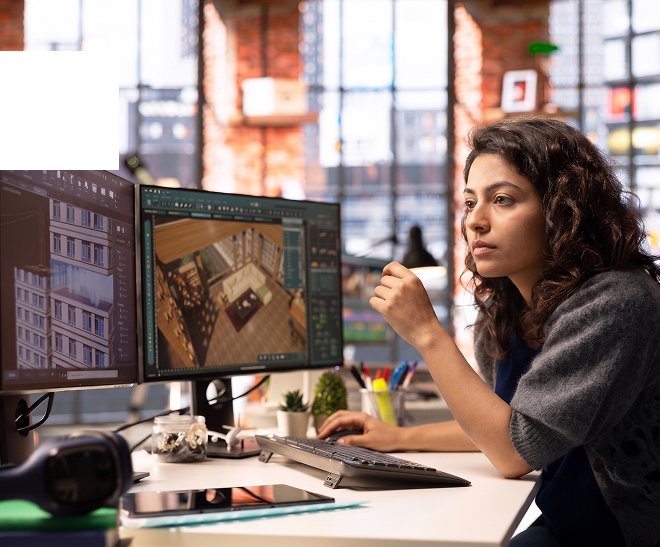
A well-designed space can calm, energize, inspire, and even transform everyday living. An interior design degree course teaches students how to create environments that influence how people feel, behave, and connect. This program introduces concepts on the powerful intersection of functionality, psychology, aesthetics, and culture, helping them migrate beyond surface-level designing to a more meaningful spatial storytelling.
A strong B. Des Interior Design program builds a strong foundation that blends creativity and technical knowledge. Students become designers by observing human behaviour, exploring spatial relationships, understanding materials, and translating ideas into tangible outcomes.
Students gain knowledge about drawing and 3D visualisation, making their design journey immersive and layered. It also helps them to prepare for the realities of the industry by introducing them to digital tools, sustainability, and evolving design trends. This makes them stay relevant not just in the present but also are future-ready.
Des in Interior Design – Program Overview –
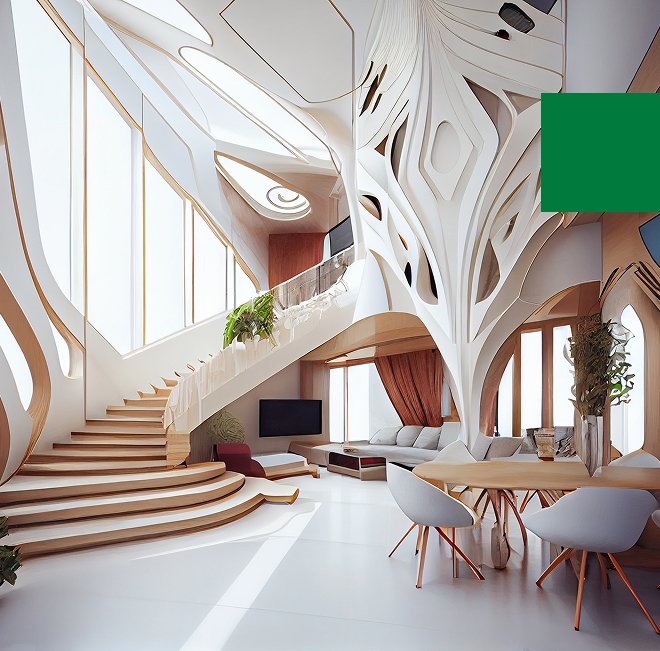
- At IMS DIA, this odyssey takes on a completely new dimension. This program is designed so that learning extends beyond classrooms to corridors, walls, studios, and shared spaces. Through a powerful “Visual Merchandising (VM) philosophy”, the entire department is transformed into a curated gallery, and every corner becomes a visual textbook.
- The day you step into the interior design degree course here, you will immediately get immersed in a world where creativity is constantly on display. Beginning with the “Design Journey Wall,” which visually maps how designers are thinking from discovery to delivery. Sketches, models, moodboards, and renders are showcased here to make the creative process tangible and inspiring.
- The “Material Library Wall” invites students to touch, explore, and understand the materials: wood, stone, metal, and innovative bio-composites. This migrates passive observation to active learning.
- The design learning becomes even more mesmerising with “Mini Mock-up Zones,” where students engage with a full-scale, 1:1 installation. Whether it’s a bedroom joinery, a bathroom detail, or a retail corner, these spaces allow the students to test ideas in real dimensions. This bridges the gap between imagination and execution.
- We are proud of our “Student Work Spotlight”, where students’ individual projects are celebrated regularly. This creates a platform for them to showcase their voice, build confidence, and develop a professional identity early on. Our dedicated installations, “Services & Systems Wall” and “Detail Selection Slices,” break down complex construction elements for students. Plumbing, ceiling grids, and electrical systems can be a bit difficult for everyone to understand. These walls help to visualise such concepts into understandable formats.
- The “Live Work-in-Progress Wall” is an open, evolving space where students can pin their ideas, experiments, and, yes, their failures, for everyone to learn from. This encourages a culture of honesty, iteration, and continuous improvement.
Beyond the physical environment –
- Our B. Des Interior Design department thrives on a strong philosophy, “Design that responds to people, place, and planet.” Here, we make sure that students think responsibly, create human-centric interiors, are resource-conscious, and are future-ready. The culture encourages experimentation over perfection, curiosity over conformity, and empathy over aesthetics. Gone are the days of passive learning. Our budding interior designers are hands-on makers, collaborators, observers, and problem-solvers, and can connect with both the community and the context.
- Our vibrant initiatives, like the “Annual VM Showcase Festival,” extend the program's vibrancy. The entire campus is transformed into an exhibition arena filled with studio displays, installations, and live projects. Our other events, like city-based design walks, open studios, and design sprints, further exemplify exposure, making learning an ongoing, exciting exploration.
- Students gain creative confidence and become professionally ready through our visits to the industries, interdisciplinary collaborations, and access to the dynamic NCR design ecosystem.
- The idea here is very simple but quite transformative: making learning visible, aspirational, and experiential. Students don’t just study design, they get to experience it; walk through it; interact with it, and be a part of it every single day. The B. Des interior designing course is not about learning how to design; it is about becoming a designer with a voice, a vision, and a purpose. Here, you will see yourself grow every day, interact with ideas constantly, and be proud of your evolution.
- At IMS DIA, the department becomes the teacher, the walls become storytellers, and every student becomes a creator, shaping the future of design.
Eligibility Criteria & Scholarships for B. Des in Interior Design
Celebrating Brilliance. Empowering Futures.
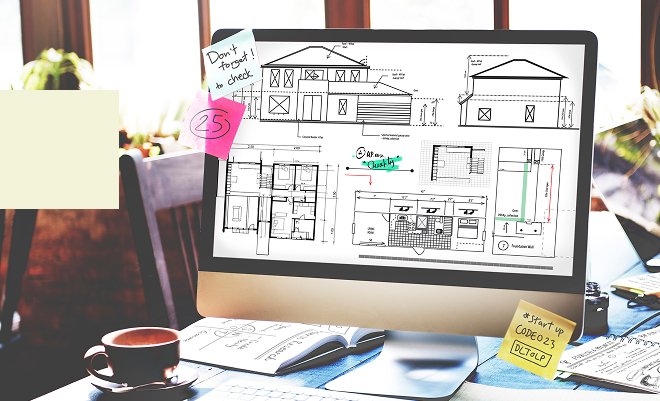
Stepping into the world of Interior Design at IMS DIA begins with a spark of creativity and the willingness to see spaces differently. The B. Des Interior Design admission process is thoughtfully designed to not only assess academic readiness but also your creative potential, curiosity, and design thinking ability.
To be qualified for the program, you simply need to have completed your 10+2 (any stream) from any recognized board. Whether you come from narratives, natural sciences, or numbers, if you have an eye for detail, an interest in spaces, and a creative instinct, you already belong here. All we prefer is a creative aptitude. The B. Des Interior Design program eligibility requires only an artistic eye, storytelling skills, and a zeal to shape the environment responsibly.
Eligibility Criteria

Open to students who have completed 10+2 education from any recognised board.

Stream: Arts. Humanities, Commerce, or Science.
Scholarships

DET Score
60% +
₹10,000
in THE first year
DET Score
70% +
₹20,000
in THE first year
DET Score
80% +
₹25,000
in THE first year
DET Score
90% +
₹50,000
in THE first year
Additional Benefits:
- Special categories (EWS. Defence. Specially-abled): Upto ₹25,000 per year
- 12th boards merit students: ₹25,000 to ₹50,000 per year
Key Educational
Benefits over other
institutions
Here, B. Des in interior design goes beyond conventional learning, combining creativity with real-world exposure, sustainability, technology, and cultural depth. It helps students to transform spaces with purpose and confidence. We offer an educational experience that is industry-aligned, immersive, and designed to help you thrive as an innovative interior designer.
 Curriculum for the future
Curriculum for the futureAt IMS, the B. Des Interior Design syllabus integrates multiple design pillars, aligns with the NEP guidelines, and draws inspiration from global frameworks followed by leading institutions. The curriculum allows students to develop a holistic understanding of conceptual, technical, cultural, and strategic designing.
 A powerful learning journey
A powerful learning journeyOur program is strategically structured to ensure growth at every stage: starting with strong fundamentals, progressing to core design, advancing to systems and services, and finally transitioning to real-world exposure, internships, and entrepreneurship. Unlike other fragmented learning models, our B. Des interior designing subjects ensure clarity, continuity, and confidence.
 Action-packed workshops culture
Action-packed workshops cultureLearning at DIA is immersive and high-octane. Here, students participate in high-impact, fast-paced workshops including BIM labs, craft labs, sustainability labs, furniture prototyping, and sensory studios. This ensures they experience, test, and build the concepts from scratch.
 Unparalleled Masterclass experience
Unparalleled Masterclass experienceEvery semester includes handpicked masterclasses by craftspeople, global designers, sustainability experts, and industry experts. This consistent exposure provides inspiration, connection to real-world practices, and a continuous touch with the trending concepts.
 Deep amalgamation of craft & culture
Deep amalgamation of craft & cultureWe strongly believe in designing with roots. Students are exposed to vernacular materials, traditional techniques, and cultural contexts, creating designers who are globally relevant yet deeply rooted. This is achieved through collaborations with heritage organisations and artisans’ networks, so that our students gain hands-on, practical exposure to the industry.
 Future-ready technical proficiency
Future-ready technical proficiencyDes interior designing adopts a BIM-first approach. Exposure to advanced tools, services integration, and parametric tools ensures students graduate with a strong command of industry-relevant technologies. This makes them professionally competent from day one.
 Sustainable design and human-centred focus
Sustainable design and human-centred focusFor us, sustainability is not treated as one subject; rather, we have embedded it throughout our interior design degree course. Students learn behavioural mapping, green material systems, and inclusive design, ensuring their designs become more empathetic, responsible, and future-ready.
 Industry exposure from 1st year
Industry exposure from 1st yearIMS DIA emphasises learning through doing. From early on, students get to work on live projects with architects, studios, and brands, participate in site visits, and engage in campus installations.
 Professional identity
Professional identityStudents are trained to build their own professional identity that goes beyond their skills. Through personal brand building, portfolio masterclasses, and a dedicated “Business of Interior Design” module, they learn how to pitch ideas, present themselves, and navigate the industry.
 Interdisciplinary collaboration
Interdisciplinary collaborationStudents regularly collaborate with their peers from communication, product, fashion, and UI/UX design, working on joint projects and installations. This fosters innovation and reflects the collaborative nature of the modern design industry.
 Global exposure and orientation
Global exposure and orientationWith masterclasses with international experts, exposure to worldwide design trends, and global electives, students gain a broader perspective. The program ensures they are prepared for global opportunities and not limited to local practices.
 Career readiness
Career readinessWe believe in preparing students not just for jobs but for leadership roles. With strong industry mentorship, internships, and entrepreneurial training, our students graduate as job-ready professionals and potential entrepreneurs.
B.Des in Interior Design Course Curriculum
The B. Des Interior Design syllabus is not just a list of subjects, but a carefully designed and structured journey that transforms curious beginners into industry-ready, confident designers. The program blends technical mastery, creativity, cultural understanding, and professional readiness.
To ensure that every learning stage builds meaningfully on the previous ones, our B. Des interior design subjects are immersive and deeply align with real-world design practices.
Build visual foundations, spatial sensitivity, and make culture.
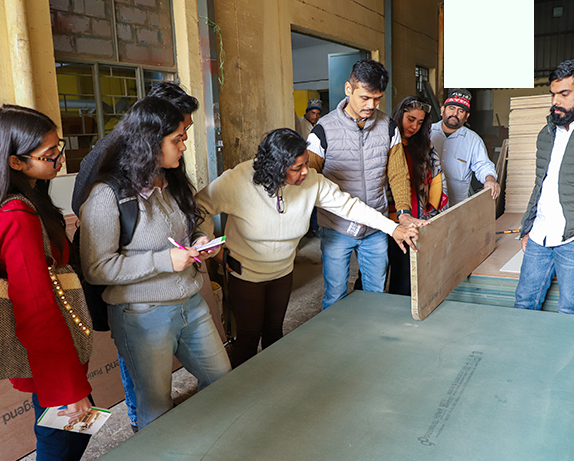
The first year lays the groundwork by developing spatial awareness, visual sensitivity, and a strong making culture. It is where all the design course students sit together and create a world where they understand design from both Indian and global perspectives. Digital tools, human-centric design, and communication skills are introduced early, ensuring a balance between manual and digital skills.
SEMESTER 1 — Seeing, Thinking & Making
Studios & Labs
- Foundation Studio: Elements, Principles & Composition
- Spatial Thinking Studio I (Form–Space Explorations)
- Material & Making Lab I (Craft, Clay, Wood Basics)
- Visual Representation I (Freehand Drawing + Digital Sketching)
Theory Courses
- Culture & Design: Introduction to Global + Indian Design
- Design Process & Creative Strategies
Skill-Based Courses
- Digital Tools I (Photoshop, Illustrator)
- Communication Skills & Academic Writing
NEP Components
- Value-Added Course: Emotional Intelligence & Teamwork
SEMESTER 2 — Understanding Space & The Human
Studios & Labs
- Spatial Thinking Studio II (Interior Volumes + Simple Layouts)
- Material & Making Lab II (Metal, Bamboo, Composites)
- Visual Representation II (Technical Drawing + Projections)
Theory Courses
- History of Built Environments (World + India)
- Human Factors & Ergonomics
Skill-Based Courses
- Digital Tools II (SketchUp / Rhino Basics)
NEP Components
- Environmental Studies (AECC)
- Choice-Based Elective: Photography / Sculpture / Storytelling
Workshops
- Material Play & Sensory Making Workshop
- Design Perception: Sketching & Spatial Observation Bootcamp
- Best-Out-of-Waste Product Concept Lab
- Indian Craft Immersion Workshop
Masterclass
- Learning to See: Space, Light & Human Emotion
- Craft & Culture in Indian Interiors
Build technical mastery, systems knowledge, and contextual design
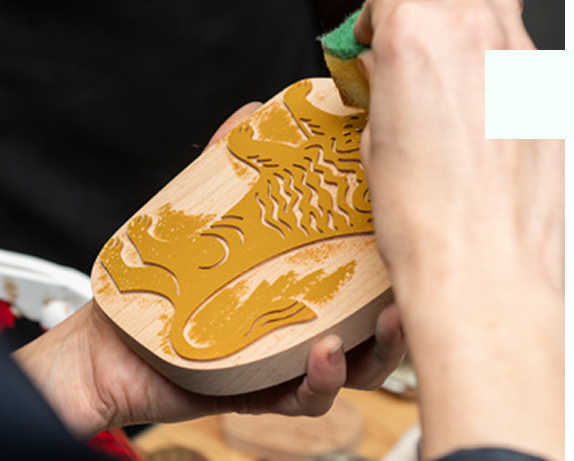
Now the focus shifts towards technical knowledge and real-world application. Students work on connecting design with human behaviour and real-life concepts. This year revolves around field visits and site documentation that further strengthen practical understanding.
SEMESTER 3 — Living Interiors
Studios & Labs
- Interior Design Studio I: Small Residential Project
- Working Drawings & Documentation I
- Digital Modelling I (SketchUp + V-Ray)
Technical Courses
- Construction Systems & Interior Details I
- Lighting Fundamentals
- Climate Responsive Interiors
Theory
- Behaviour & Space (Environmental Psychology)
NEP Component
- Community Engagement: Document a home/vernacular interior
SEMESTER 4 — Commercial Interiors
Studios & Labs
- Interior Design Studio II: Retail / Café / Workplace
- Working Drawings & Documentation II
- Digital Modelling II (Revit Foundations / Rhino)
Technical Courses
- Building Services I — Electrical & Plumbing
- Materials & Finishes for Interiors
- Interiorscaping & Styling
NEP Component
- Field Exposure: Market study + site documentation
Workshops
- Ergonomics & Human Factors Hands-on Lab
- Interior Construction & Joinery Workshop
- Climate Responsive Interiors & Daylighting Lab
- Furniture Design Prototyping Workshop
- Sustainable Interior Systems & Green Materials
Masterclass
- Space as Emotion — Interior Lighting & Atmosphere
- Craft Intelligence in Contemporary Interiors
- Parametric Thinking for Interior Systems
Identity development, large-scale interiors, future tools
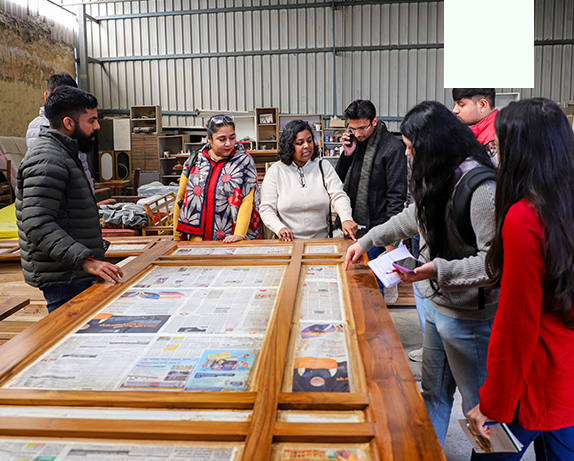
Now this year, the syllabus has become more advanced and exploratory. Students work on more innovative approaches: hospitality, retail, and large-scale interior projects. They engage in furniture design and digital fabrication, using technologies such as 3D printing and CNC machining.
SEMESTER 5 — Brand, Hospitality & Systems
Studios & Labs
- Interior Design Studio III: Hospitality / Retail
- Furniture Design & Fabrication Lab
- Digital Fabrication Lab (Laser, CNC, 3D Printing)
Advanced Technical Courses
- Building Services II — HVAC, Acoustics
- Parametric Modelling for Interiors (Rhino + Grasshopper)
Theory + Professional
- Estimation, Costing & Project Management
Electives (Choose 1)
- Lighting Design
- Exhibition & Set Design
- Smart Home & IoT Systems
- Sustainable Material Innovation
SEMESTER 6 — Adaptive, Strategic & Experiential
Studios & Labs
- Interior Design Studio IV: Adaptive Reuse / Institutional
- Working Drawings III (Complete Working Set)
- Experience Design Studio (Wayfinding, Narrative, Interaction)
Professional Courses
- Professional Practice: Codes, Contracts, Documentation
- Sustainable & Regenerative Interiors
Electives (Choose 1)
- Retail Strategy & Visual Merchandising
- Furniture Systems & Modularity
- Urban Interiors
NEP Component
- Research Methods Seminar (pre-thesis)
Workshops
- Exhibition & Set Design Fabrication Workshop
- Digital Tools Mastery – BIM Foundation (Revit / ArchiCAD)
- Material Systems & Construction Techniques
Masterclass
- Retail & Brand Experience Design
- Codes, Contracts & Practice Norms for Interior Designers
- Experiential Storytelling in Spaces
- Furniture Futures — Material Innovation & Ergonomic Intelligence
Research, identity, and industry readiness.
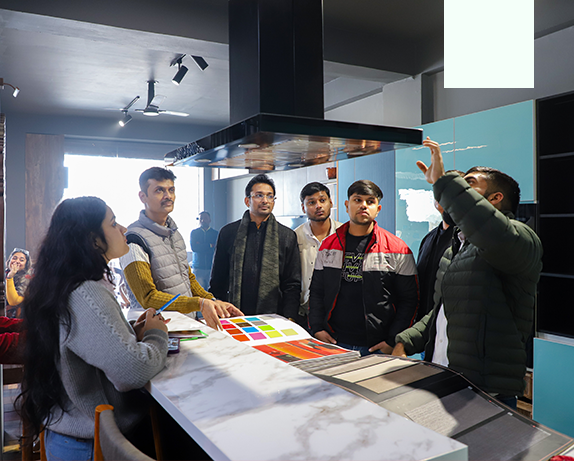
The final year of our interior design degree course is where everything comes together. Students undertake a thesis project, which can be research or design-based. They also work on portfolio and brand identity development, preparing them to present themselves more confidently in the professional world. Finally, the journey concludes with a 20-week industry internship, followed by a graduation portfolio exhibition.
SEMESTER 7 — Thesis + Identity
Studios
- Thesis Studio (Design or Research-based)
- Portfolio & Brand Identity Lab
Professional Focus
- Entrepreneurship & Design Business
- Design Ethics, Law & Policy
Elective (Choose 1)
- Universal Design
- Museum & Exhibition Narratives
- Advanced Lighting Theory
- Speculative & Futuristic Interiors
SEMESTER 8 — Immersive Industry Integration
- 20-week Internship
- Industry Report + Viva
- Graduation Portfolio Exhibition
Workshops
- Hospitality Interior Detailing Workshop International Design Culture Master Workshop (Global)
- Portfolio & Personal Identity Branding Workshop
- Entrepreneurship & Design Business Workshop
- Social Impact & Community Interior Design Workshop
Masterclass
- Design Leadership & Studio Entrepreneurship
- Advanced Visualization & Digital Storytelling (VR/AR)
- Thesis Excellence: Research, Narrative & Presentation
- Personality Development & Professional Confidence
The DIA incubator
The final year evolves into learning to build, lead, and create impact; the “DIA INCUBATOR – DESIGNPRENEUR LAB” serves as a powerful launchpad for students. This pushes the students to take their ideas beyond the classroom and into the real world.
This is a cross-disciplinary incubator designed to transform your final-year projects into real, scalable business concepts. Students are trained to design for durability, adaptability, and sustainability, ensuring their work contributes positively to both the community and nature.
By the end of the module, each student will graduate with:
- A launch-ready studio or business concept
- A professional brand strategy deck
- A financial plan & pricing model
- A client-ready project portfolio integrating design + brand + strategy
- A network of mentors, studios, and industry bodies
Learning outcomes
Graduates will be able to:
- Understand and apply design principles and spatial grammar.
- Communicate ideas through sketches, technical drawings, models, and BIM.
- Design functionally and aesthetically across typologies.
- Work with materials, furniture systems, lighting, and detailing.
- Integrate sustainability and human-centred principles into projects.
- Manage clients, timelines, budgets, and professional project workflows.
- Build a strong, industry-ready portfolio and professional identity.
Industry & community connect
- Masterclasses by architects, lighting designers, exhibition designers, and craft specialists
- Industry collaborations with materials, finishes, and furniture brands
- Field visits to showrooms, construction sites, hotels, workspaces, and museums
- Social impact studios and community-based interior interventions
Global connect, industry tie-ups, and possible Collaborations
- Domus Academy Milan — Interior & Living Design
- Polimoda Florence — Luxury Space Branding
- NABA Milan, RMIT, Parsons — global studios and workshops
- Indian partners: Studio Lotus, Morphogenesis, Renesa, FADD Studio, IAAD, IIID NCR Chapter, Space Matrix, HBA
- Top Interior & Furniture Outlets: IKEA, Pepperfry Studios, Godrej Interio, Hettich Experience Centre, JAQUAR Orientation Centre, Saint-Gobain Experience Centre
Top Recruiters Hiring B. Des in Interior Design Graduates
- Luxury and residential interiors
- Hospitality and experiential spaces
- Commercial and workplace environments
Real estate and infrastructure firms
The real estate market is booming, creating a massive demand for interior designers who understand large-scale living and commercial ecosystems. Here, designers get to work on:
- Sales experience centre and model apartments
- Mixed-use and high-end residential developments
- Clubhouses and shared community spaces
Retail and brand experience companies
Modern retail is now more about creating immersive brand experiences. Many leading retail brands and visual merchandising are seeking designers who understand spatial branding, consumer behaviour, and storytelling. You will be hired for:
- Flagship stores
- Showrooms
- Pop-up installations and experience centres
Hospitality industry
Resorts, hotels, restaurants, and cafes constantly renovate their spaces to offer unique experiences. If you know about ambience, emotion, and storytelling, this opens doors to work with:
- Boutique hospitality brands
- Luxury hotel chains
- Food & beverages spaces
Furniture, lighting, and product design brands
Interior designing is not only about walls; it extends to everything within a space. With DIA’s strong focus on material intelligence and making, you will gain a clear advantage. Leading décor, lighting, and furniture brands hire designers who can:
- Work on display and product styling
- Design and develop furniture systems
- Collaborate on material innovation
Design consultancies and multidisciplinary studios
The design world is becoming increasingly collaborative. Multidisciplinary firms that combine branding, interiors, UX, and communication design are on the rise. They look for designers who can:
- Work on interactive and experiential spaces
- Think across disciplines
- Contribute to holistic design solutions
Exhibition, event, and set design firms
There is always a need for fast-paced, high-impact designing in exhibitions, trade shows, film sets, and events, and so they look for designers for:
- Creating stage and set environments
- Designing exhibition booths and installations
- Working on experiential storytelling through space
Sustainable design and social impact organisations
More and more organisations are focusing on eco-conscious, community-driven design. With such growing awareness around sustainability, our designers are hired by:
- NGOs and social enterprises
- Green building consultancies
- Sustainable material and design films
Entrepreneurship and independent venture
One of the most exciting outcomes for DIA designers is the confidence to start their own design labels. Throughout the interior design degree course, strong emphasis is placed on business education, branding, and client management. Students can:
- Launch their own interior design studios
- Build furniture and décor brands
- Offer freelance design consultancy
Career Opportunities after B.Des in Interior Design
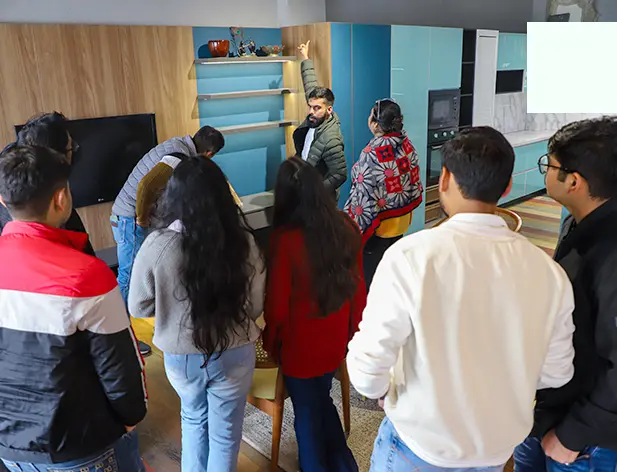
The B. Des interior design jobs are no longer limited to decorating spaces but have evolved into a powerful field that involves creativity, human behaviour, technology, and business. It’s time now to let your ideas finally meet the real world. This means your interior design career aspirations are now free to specialize, explore, and even create your own niche.
You can work on commercial, residential, and hospitality spaces, transforming concepts into functional, aesthetic environments. These opportunities allow you to experience the whole design life cycle: from client meetings and concept development to site execution and styling. At DIA, you are trained for such roles and step into the world of designing with confidence, not hesitation.
- Interior designer
- Spatial and experience designer
- Visual Merchandiser
- Furniture and product designer
- Set and exhibition designer
- Sustainable design consultant
- Interior stylist
- Design consultant/project manager
- Entrepreneur
The design industry is constantly evolving. It’s opening doors to many new, exciting B. Des Interior Design job opportunities, such as:
- Design researcher
- UI/UX designer for spatial interfaces
- Smart home & IoT design specialist
- Exhibition and museum designer
You are not limited to one role, which makes the world of interior design more versatile. You can explore, evolve, and reinvent your career as you grow in the industry.
B. Des in Interior Design Fee Structure
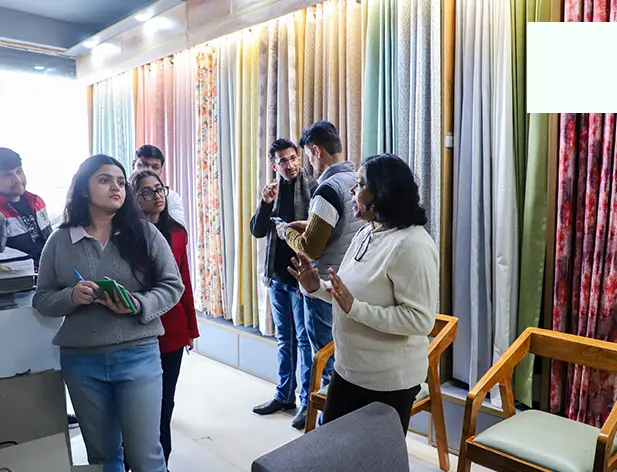
At IMS DIA, B. Des Interior Design fees structure reflects not just classroom learning, but a perfect ecosystem of studio-based education, industry exposure, workshops, and global-standard training. Thus, you are investing in your creative future and your professional identity.
Affiliated with Chaudhary Charan Singh University (CCSU), Meerut, is a 4- year creative journey spread across 4 semesters. Our total intake is only 60 students, ensuring a focused learning environment where every student gets personalised attention and mentorship.
The total course fee is Rs. 16,00,000. It is evenly structured across the four years, helping you with smooth planning and transparent progression.
- Year 1: Rs 4,00,000
- Year 2: Rs 4,00,000
- Year 3: Rs 4,00,000
- Year 4: Rs 4,00,000
This fee structure will help you to approach the program with full clarity without any unexpected financial pressure. Unlike other interior designing courses in B. Des, this structure supports a 360-degree development model. It’s a launchpad into a career where you can:
- Build your own studio
- Create sustainable and impactful spaces
- Work with leading design firms
- Establish your strong personal brand
Residential Facilities & Transport
A great design journey is shaped by the environment you live in and the ease with which you move through your day. We give importance to both, where you live and how you commute. This helps students to focus on their education, creativity, and growth without everyday hassles.
IMS DIA offers secure, student-friendly, and comfortable hostel facilities to students from different cities. Our residential facilities are created to support both academic and personal well-being. The accommodation provides:
- Safe and well-managed facility with a secure environment
- Clean and well-maintained rooms
- Access to basic amenities and daily necessities
- A balanced atmosphere supporting study and social interactions
You are surrounded by a supportive community: peers who share similar ambitions, making your stay collaborative and inspiring.
We ensure that our students have access to a reliable, well-organised transport service. Whether you commute daily or travel from nearby regions, we ensure your journey is safe, smooth, and efficient.
Des in Interior Design – Program Overview –
- Comfortable and timely bus services
- Well-connected routes across key locations in NCR
- High focus on punctuality and safety
Our transport facilities allow students to reach campus on time, without the stress of unpredictable travel or traffic.
Admission Process for B. Des in Interior Design
The admission journey itself is smooth, relaxed, and is designed to bring out the best in you. It begins with a simple step, applying online through the IMS Dia interior design admission portal.
Once your application is submitted, you move towards the entrance evaluation stage, where you may go through a design aptitude test/or a portfolio review. This phase is less about ‘right answers’ and more about testing your creativity, observation skills, and ability to think differently.
In the next step, you go through a one-on-one interaction in which the institute seeks to understand your creative inclinations, aspirations, and what draws you to design. The interaction helps to align your passion with the course’s vision.
Finally, once you complete these B. Des interior design admission stages, you will receive an offer letter, followed by enrolment formalities. And just like that, you step into our interior design degree course, and you will be one step closer to becoming a designer with a voice.
Faculty
Meet your master trainers here:
Behind each of our confident designers are the B. Des Interior Design faculty who inspired, challenged, and transformed the way they think. At DIA, the program is guided by a team of highly experienced architects, designers, artists, and researchers. Each of our mentors brings their unique perspective from industry, academia, and global exposure.
Student Testimonials
DIA is a big part of What I am today. The perfect guidance anyone can ask for is always provided by our Dean & my Mentor, who made studying an actual fun and shouted me there’s no limit in what you can achieve in this lifetime.
Shubhra Bharadwaj
Interior Design 2018 batch
The teachers are professional, experienced & passionate in their field, are always there to encourage and inspire you. No doubt this place has my strong foundation roots attached to it.
Harshit Goel
Interior Design 2014 batch
Frequently Asked Questions
Q1. What is B. Des in Interior Design?
A B. Des interior design is a professional interior design degree course that trains students to create aesthetic, meaningful, and functional spaces. At IMS DIA, we go beyond that; our program blends creativity with technical expertise that helps students design everything that comes their way.
Q2. What do we study in B. Des in Interior Design?
The B. Des interior design syllabus is designed to be practical, industry-aligned, and immersive. Students explore a wide range of topics that build both creative and technical skills.
- The B. Des interior design subjects cover:
- Design fundamentals and spatial thinking
- Technical drawings and working details
- Digital tools like Revit, AutoCAD, BIM, SketchUp
- Sustainable and human-centred design
- Material studies and making labs
- Lighting, furniture, and interior systems
- Real-world design studios
Q3. What is the duration of B.Des in the Interior Design programme?
The B. Des Interior Design duration is 4 years at IMS DIA, which is spread across 8 semesters. Each year, allow students to move from fundamental to advanced designing. This ensures a smooth transition from learning basics to becoming an industry-ready designer
Q4. What jobs can you get with B. Des in the Interior Design programme?
Becoming an interior designer opens a wide range of career opportunities. The industry values designers who think creatively and execute professionally.
Popular B. Des interior design jobs include:
- Interior designer
- Furniture and product designer
- Set and exhibition designer
- Spatial/experience designer
- Interior stylist
- Design consultant
- Visual merchandiser
You can also start your own venture or design studio with the help of the ‘DIA incubator’, which sets a launch pad for your dream business.
Q5. Does IMS DIA offer scholarships for the B.Des in Interior Design programme?
We at DIA believe in supporting fresh talent and potential. There are many scholarships and financial support options available based on merit and eligibility criteria.
We request that you connect with the admissions team to explore available scholarship and financial assistance options.
Q6. What are the eligibility criteria to join B. Des in the Interior Design programme in IMS DIA?
The B. Des interior design eligibility criteria here are designed to be inclusive and opportunity-driven.
To apply, you must:
- Have completed 10+2 (any stream)
- Possess a creative aptitude and design interest
The admission process includes:
- Online application
- Design aptitude evaluation/portfolio review
- Personal interaction

