School of Interior Design
Interior Design College in Noida – Overview
“We Don’t Decorate Spaces - We Design Worlds.”
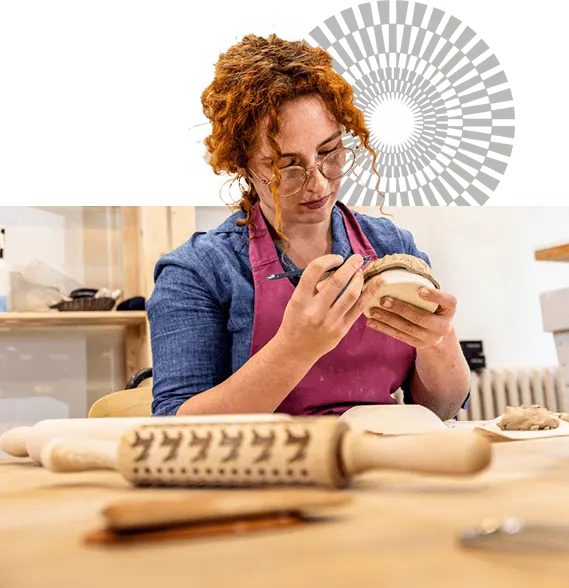
The Interior Design Department at DIA, a leading interior design college in Noida, isn’t about furniture and finishes — it’s about creating worlds that move people. We design spaces that perform as beautifully as they look — spaces that tell stories, shift moods, and redefine how humans live, work, and feel. DIA’s interiors emerge from the intersection of craft and code, material and emotion, performance and poetry. They are Indian in soul, global in intelligence, and timeless in impact, shaped through industry-relevant interior design courses in Noida.
Interior Design Program Philosophy
“Design with Depth, Build with Purpose”
Interior design is not decoration—it is the architecture of human experience.
The 10 pillars of the interior design program
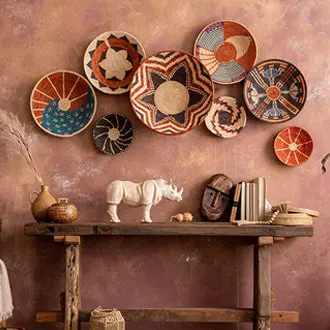
Design Perception & Expression
Sharpening the ability to observe, analyse, and translate spatial ideas into visual and verbal language. Students build strong foundations in drawing, model-making, visualization, and narrative building.
Technical Fluency & Digital Craft
Ensuring students gain industry-ready proficiency in drafting, BIM, parametrics, working drawings, and construction detailing—skills necessary for professional excellence.
Human-Centric & Sustainable Thinking
Designing spaces that are ergonomic, inclusive, climate-responsive, and psychologically supportive. Sustainability becomes a mindset, not a module.
Material Intelligence & Making Culture
Promoting tactile learning through prototyping, furniture construction, material testing, and engagement with crafts. Students learn how materials behave, age, transform, and communicate.

Professional Identity & Industry Integration
Encouraging live projects, internships, client interaction, and entrepreneurship. Students develop portfolios, business acumen, and a unique design signature.
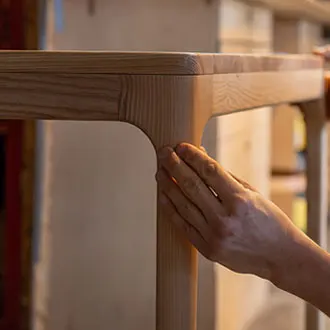
Culture, Heritage & Craft Ecology
Connecting local craft traditions, regional materials, and cultural narratives to contemporary interior solutions. Students learn to design with cultural sensitivity and contextual intelligence.
Global Exposure & International Design Literacy
Embedding international case studies, study tours, global design trends, and cross-border collaborations to shape world-aware designers.

Interdisciplinary Collaboration & Systems Thinking
Working across fashion, product, communication, architecture, and digital design to solve complex problems. Students learn that interiors exist within larger systems of behaviour, culture, and technology.
Innovation, Technology & Future-Ready Systems
Integrating IoT, automation, XR visualization, AI-assisted workflows, smart interiors, and parametric thinking ensuring graduates remain future-ready.
Design Ethics, Sensitivity & Social Responsibility
Promoting values of empathy, inclusivity, accessibility, and ecological responsibility. Students learn the ethical impact of design decisions on communities and the environment.
Program Objectives
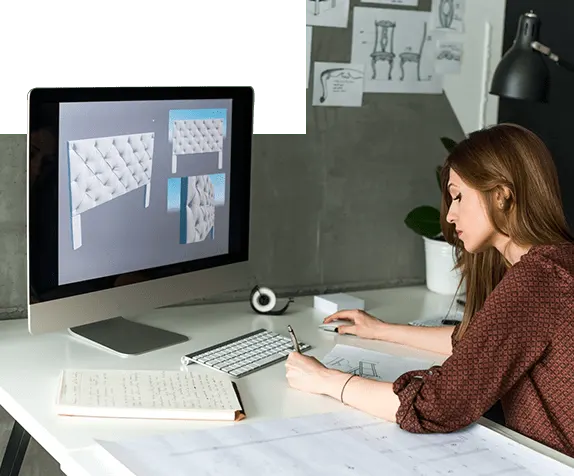
- To cultivate design thinkers with strong foundations in aesthetics, form, proportion, and spatial intelligence.
- To develop competent professionals through rigorous training in drawing, CAD–BIM workflows, and material technologies.
- To empower students with global exposure through masterclasses, workshops, industry collaborations, and interdisciplinary studios.
- To promote human-centric and sustainable design, grounded in ergonomics, environmental psychology, and climate-responsive principles.
- To encourage research, craft knowledge, and cultural awareness, celebrating Indian traditions while integrating contemporary international discourses.
- To prepare graduates for a dynamic industry through entrepreneurship development, professional practice training, internships, and portfolio building.
- To foster design ethics, sensitivity, inclusivity, and social responsibility as core components of professional identity.
Interior Design Curriculum Structure
& Learning Journey
4-Year B. Des Interior Design Course in Noida
- NEP Aligned
- Multiple Exit Options
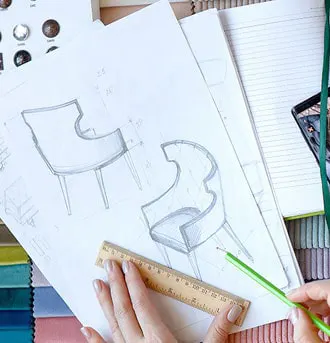
Year 1
Foundation
Building perception, sensitivity, and design thinking.
- Visual thinking & spatial awareness
- Drawing, craft laboratories & digital fundamentals
- Culture, history & human-centred design principles
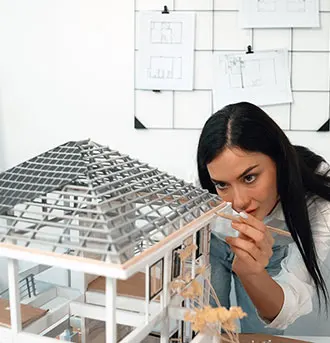
Year 2
Core Interiors
Establishing technical and spatial competence.
- Residential & commercial interior design studios
- Construction systems, lighting & building services
- CAD & BIM foundations
- Climate-responsive design strategies
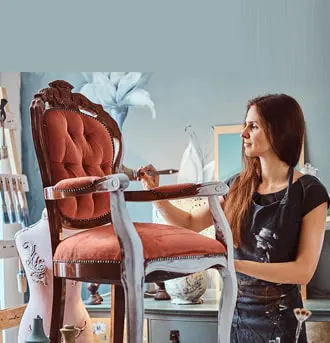
Year 3
Advanced & Experiential
Expanding scale, complexity, and professional understanding.
- Hospitality, retail & adaptive reuse studios
- Furniture design, digital fabrication & parametric tools
- Professional practice, costing & project management
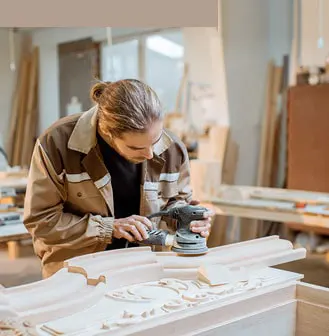
Year 4
Transformation &
Industry Integration
Transitioning from student to professional designer.
- Design-led or research-based thesis
- Portfolio development & personal brand building
- 20-week professional internship
- Graduation exhibition
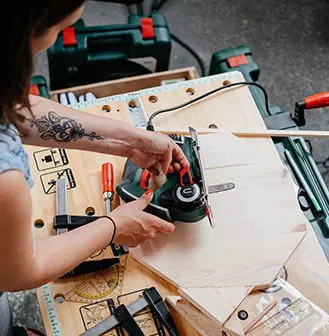
Flexible
Learning
Pathways
Aligned with NEP’s choice-based framework.
- Choice-based electives
- Interdisciplinary pathways across design domains
- Integrated research + practice approach
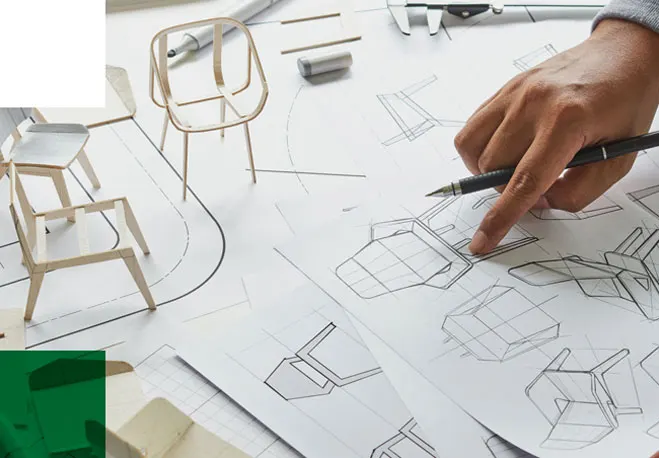
Learning Outcomes
Graduates will be able to:
- Understand and apply design principles and spatial grammar.
- Communicate ideas through sketches, technical drawings, models, and BIM.
- Design functionally and aesthetically across typologies.
- Work with materials, furniture systems, lighting, and detailing.
- Integrate sustainability and human-centered principles into projects.
- Manage clients, timelines, budgets, and professional project workflows.
- Build a strong, industry-ready portfolio and professional identity for careers in interior design
Industry & Community Connect
- Masterclasses by architects, lighting designers, exhibition designers, and craft specialists
- Industry collaborations with materials, finishes, and furniture brands
- Field visits to showrooms, construction sites, hotels, workspaces, and museums
- Social impact studios and community-based interior interventions

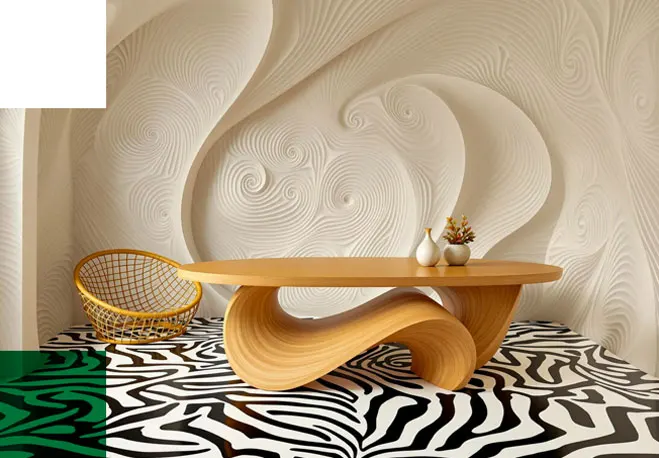
Unique Value Of The Program
- Blends Indian design heritage with global contemporary practices
- Strong emphasis on sustainability, digital tools, and material intelligence
- 360° development through personality grooming, mindfulness, and professional ethics
- Multi-disciplinary collaboration with Fashion, Product, and Communication Design
- Flexibility through elective baskets and NEP progression pathways
Why Choose Interior Design at IMS DIA?
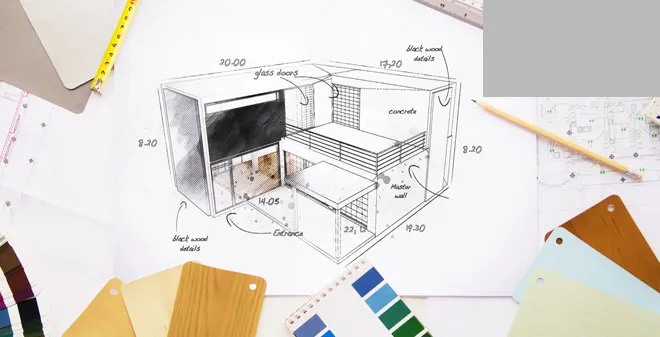
- Strong foundation in space planning and human ergonomics
- Emphasis on materials, lighting, furniture, and sustainable interiors
- Strong studio culture blending craft + technology + research
- Proficiency in AutoCAD, digital drafting, and visualization tools
- Industry exposure through site visits, internships, and expert sessions
- Mentorship by experienced academicians and practicing designers
- Global exposure with international design literacy
Key Focus Areas in Interior Design
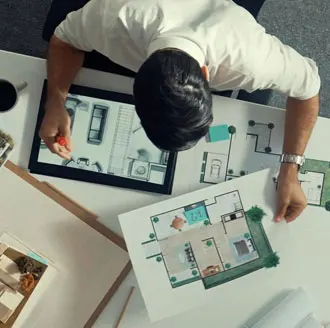
Space Planning & Ergonomics
Learn to design efficient, comfortable, and human-centered spaces by understanding scale, proportion, circulation, and ergonomic principles.
Interior Materials & Furnishings
Study materials, finishes, furniture, fixtures, and fittings, with exposure to sourcing, specifications, and sustainable material practices.

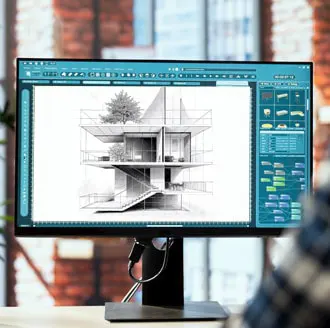
AutoCAD & Digital Drafting
Gain technical proficiency in AutoCAD, digital layouts, working drawings, and professional documentation used across the interior design industry.
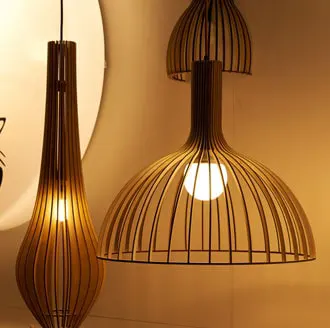
Lighting & Furniture Design
Explore lighting design principles, luminance planning, mood creation, and functional lighting along with furniture design fundamentals and detailing.
Vaastu & Sustainable Interiors
Understand traditional Vaastu principles alongside modern sustainability practices such as energy-efficient design, eco-friendly materials, and green interiors.
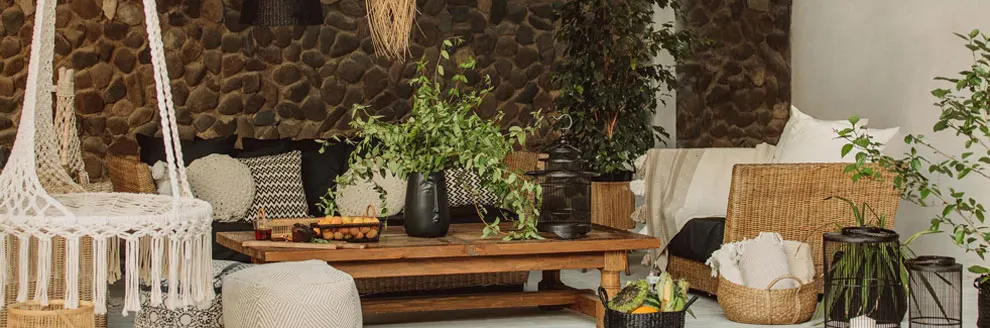
Interior Design Programs Offered
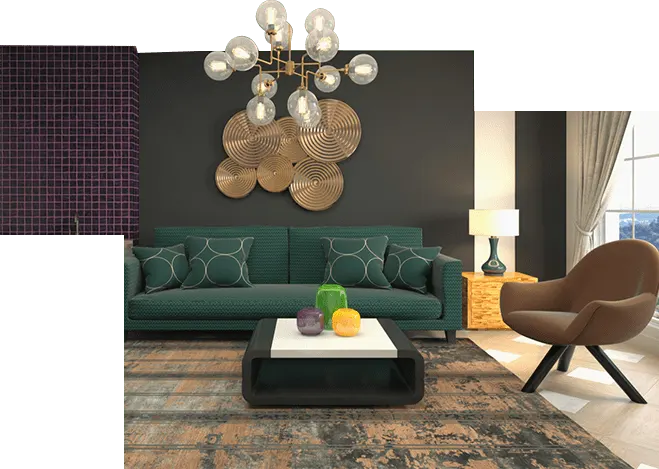
Undergraduate Program – Interior Design
Duration
4 Years (8 Semesters)
Eligibility:
10+2 or equivalent from a recognised board
Program Highlights:
- Foundation in design principles and spatial thinking
- Advanced interior design studios across multiple typologies
- Live projects, site visits, and industry collaborations
- Professional training in drafting, detailing, and execution
- Internship and graduation project with portfolio development
Diploma in Interior Design
A career-focused program designed to provide practical skills and industry-ready knowledge for immediate entry into the interior design profession.
Ideal for:
- Aspiring interior designers
- Working professionals seeking a career shift
- Entrepreneurs and design enthusiasts
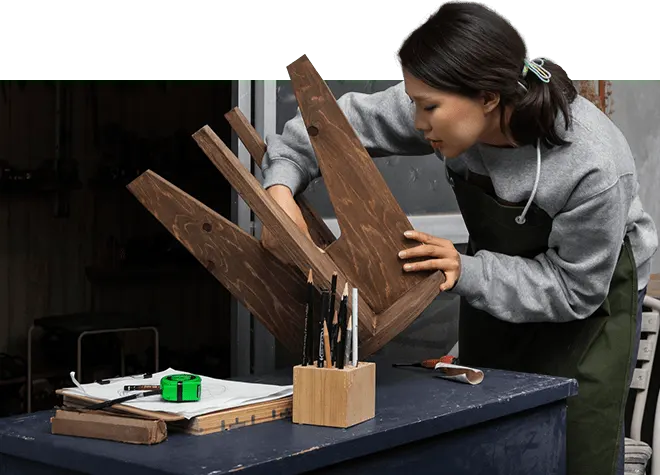
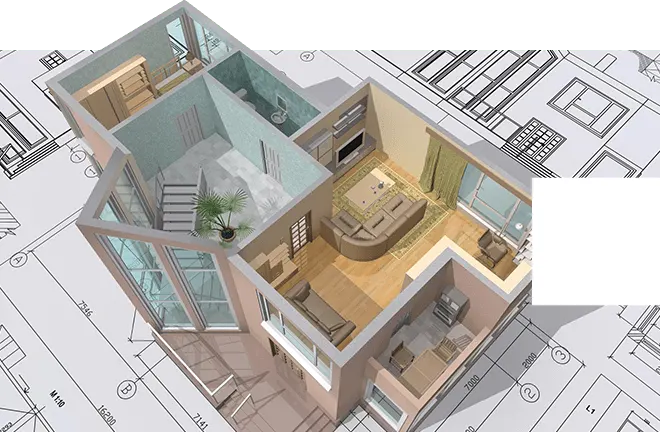
Short-Term Certifications & Workshops
Skill-based programs focused on specific areas of interior design.
Includes:
- AutoCAD & drafting workshops
- Furniture & lighting design modules
- Sustainable interiors and Vaastu workshops
Teaching & Learning
Approach
- Studio-based, experiential learning
- Real-world projects and site exposure
- Technical drawing and execution focus
- Interdisciplinary collaboration across design disciplines
- Continuous portfolio mentoring and reviews
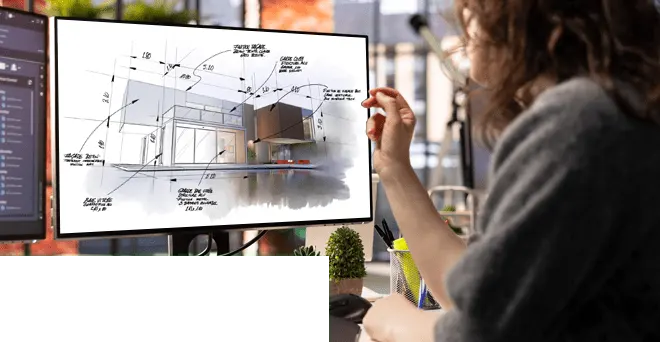
Career Pathways
Graduates from this interior design college in Noida are equipped to work across
diverse sectors of the built environment.
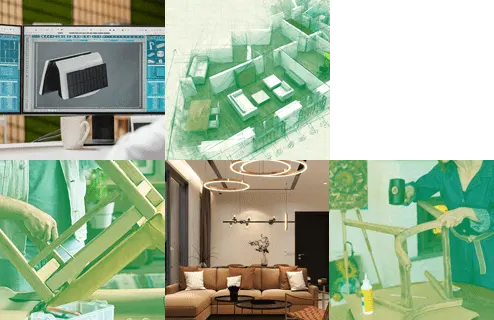
Career Opportunities Include:
- Interior Designer/Interior Architect
- Space Planner
- Furniture & Product Designer
- Interior Styling Consultant
- Residential & Commercial Interior Designer
- Lighting Design Consultant
- Brand Environment & Exhibition Designer
- Design Entrepreneur/ Studio Founder
Admission Process
Apply Online
Submit the application form through the IMS DIA admissions portal.
Entrance Evaluation
Assessment through a design aptitude test and/or portfolio review.
Personal Interaction
One-on-one interaction to understand creative potential and career aspirations.
Offer & Enrollment
Admission confirmation followed by fee payment and onboarding.
Eligibility Criteria for Interior Design Courses
Undergraduate Program:

Passed 10+2 from any stream (Arts / Commerce / Science)

Creative aptitude preferred
Diploma & Certificate Programs:

Open to students, graduates, and working professionals
FAQs - Interior Design College in Noida
1. What makes IMS DIA a top interior design college in Noida?
IMS DIA stands out as a leading interior design college in Noida due to its strong focus on spatial design, material intelligence, and industry integration. For students exploring how to become an interior designer in India, the program offers a well-rounded pathway by blending craft, technology, and sustainability. This approach ensures that learners develop both creative vision and technical expertise required to succeed in the evolving interior design industry.
2. How is IMS DIA different from other interior design institutes in Noida?
Unlike conventional interior design institutes in Noida, IMS DIA emphasizes experiential learning, interdisciplinary collaboration, and real-world projects. For students exploring interior design courses after 12th, the institute offers a dynamic learning environment where they are trained through live projects, internships, and exposure to global design practices, making them industry-ready from day one.
3. What facilities are available at IMS DIA for interior design students?
IMS DIA offers advanced infrastructure including design studios, material libraries, furniture and lighting labs, and digital drafting labs. These facilities support hands-on learning at a leading interior designing college in Noida, helping students develop strong practical and technical skills.
4. Does IMS DIA provide training in tools for interior design?
Yes, students receive professional training in AutoCAD, digital drafting, BIM workflows, and visualization tools. As part of interior design courses in Noida, students are also introduced to emerging technologies, including an overview of the 10 AI tools for designers, enabling them to create accurate layouts, enhance visualization, and produce industry-standard design documentation.
5. Does IMS DIA offer industry exposure in interior design?
IMS DIA provides strong industry exposure through site visits, live projects, internships, and collaborations with architects, designers, and material brands. Students also gain awareness of emerging trends and events such as the 2026 AI summit in Delhi, ensuring that learners at this interior design college in Noida stay aligned with real-world innovations throughout their academic journey.
6. What career opportunities are available after studying at IMS DIA?
Graduates can explore roles such as interior designer, space planner, furniture designer, lighting consultant, and design entrepreneur. Completing a program from a reputed interior design college in Noida opens opportunities across residential, commercial, retail, and hospitality sectors.
7. Does IMS DIA support entrepreneurship in interior design?
Yes, IMS DIA encourages entrepreneurship through portfolio development, business training, and industry interaction. Students are equipped to start their own design studios after completing interior design course in Noida.
8. How does IMS DIA’s Noida location benefit interior design students?
Being located in Noida, IMS DIA offers access to a growing ecosystem of real estate projects, design studios, and architecture firms. This gives students studying at an interior designing college in Noida a strong advantage in terms of exposure and career opportunities.
9. Does IMS DIA offer scholarships for interior design students?
IMS DIA supports aspiring designers through merit-based opportunities and guidance on available financial aid options. Students enrolled in interior design courses in Noida at IMS DIA can also explore relevant schemes and policies for design students, along with scholarship opportunities based on academic performance, creative potential, and institutional criteria, making quality design education more accessible.
Infrastructure & Facilities
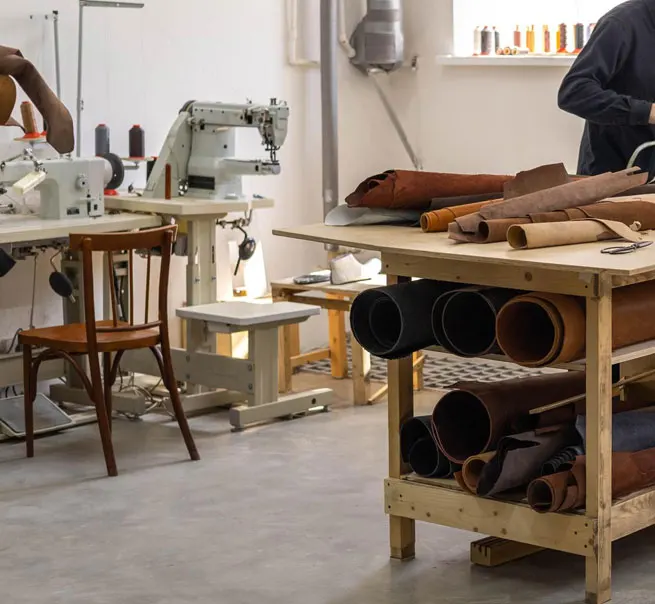
Interior design studios
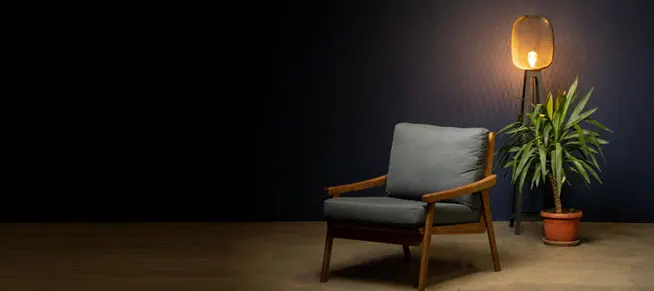
Furniture and lighting design resources
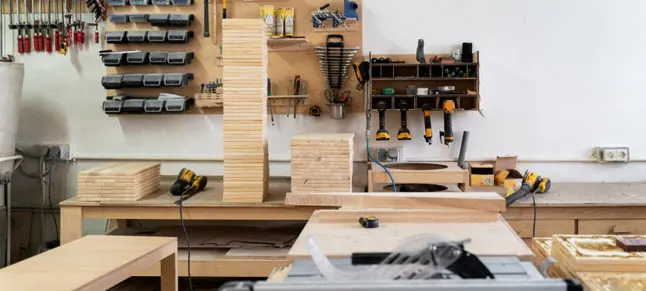
Material & sample library
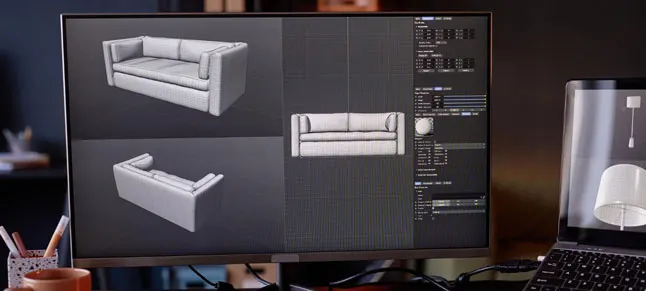
Digital drafting labs
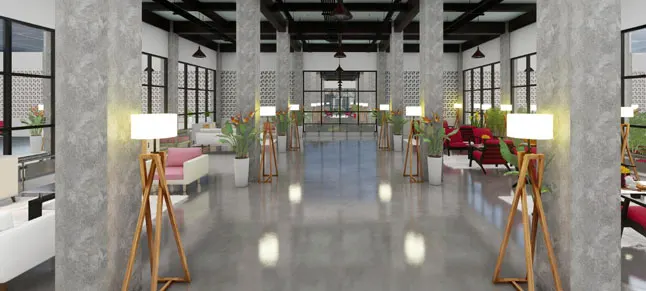
Exhibition and presentation spaces
Take the First Step
Towards an Interior Design Career
Whether you aspire to become an interior designer, space planner, furniture designer, or design entrepreneur, IMS DIA stands as a preferred interior design college in Noida to build a successful career, it provides the platform, mentorship, and exposure to transform your creativity into a successful profession.