













Dia

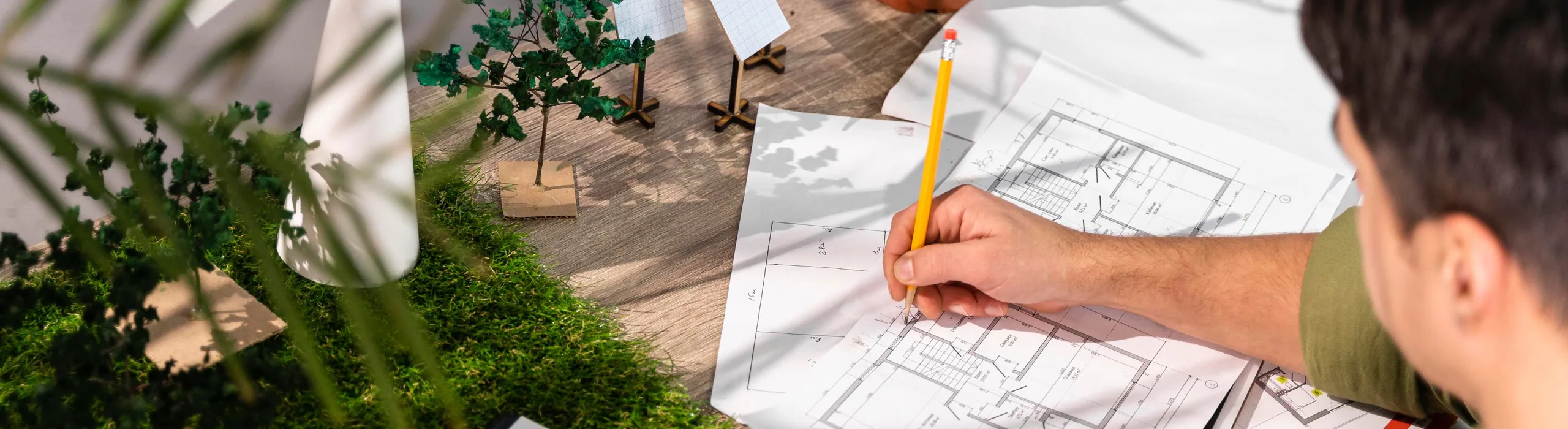
Designer sketching an interior floor plan

1-Year Diploma in Interior Design

Design spaces that shape experiences.
Turn your eye for aesthetics into the ability to create thoughtful, functional and visually compelling spaces.

Eligibility10+2

Duration1 Year

Fees₹2,50,000/-

Programme
Overview

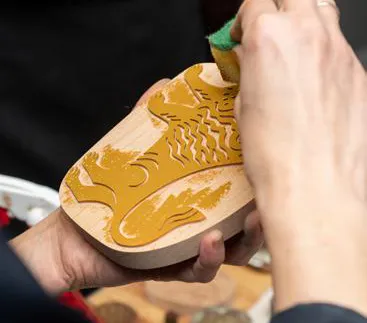
Hands carving a decorative wooden panel

For students looking for an interior design course after 12th, the programme provides a focused pathway into the discipline without requiring prior professional experience in interior design.

Through practical exercises and project-based learning, students develop an understanding of how spaces are researched, conceptualised, planned and presented.

Yellow velvet armchair against a dark green wall

The 1-Year Diploma in Interior Design at IMS DIA is a structured interior design diploma designed to introduce students to the creative, spatial and practical foundations of interior design.

The programme combines design principles, space planning, drawing and visualisation, colour, materials, furniture, lighting, residential interiors, commercial spaces, styling, digital presentation and portfolio development.

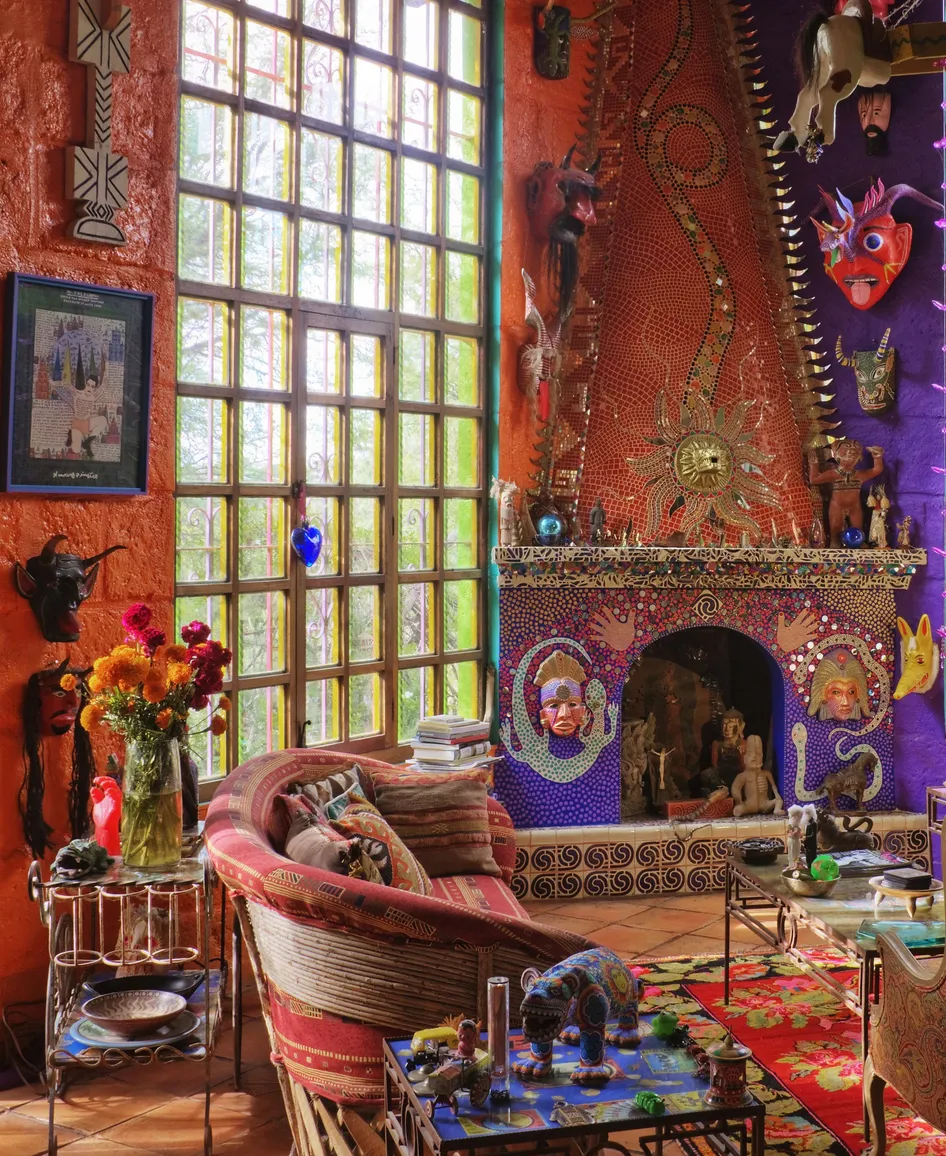
Colourful eclectic living room with a decorated fireplace

Why Choose the 1-Year Diploma in Interior Design at IMS DIA?

Understand how interiors are planned, experienced and brought to life, rather than focusing only on how a space looks.

Work through design exercises that encourage observation, ideation, experimentation and spatial problem-solving.

Develop an understanding of proportion, scale, colour, materials, furniture, lighting and the relationship between different elements of a space.

Learn how user requirements, zoning, circulation and furniture placement influence the planning and experience of an interior.

Learn to communicate concepts through sketches, moodboards, layouts, material palettes and visual presentations.

Create a body of design work that demonstrates your creative thinking, design process and ability to develop interior concepts.

The hybrid structure combines structured learning with independent design exploration and a flexible learning environment.

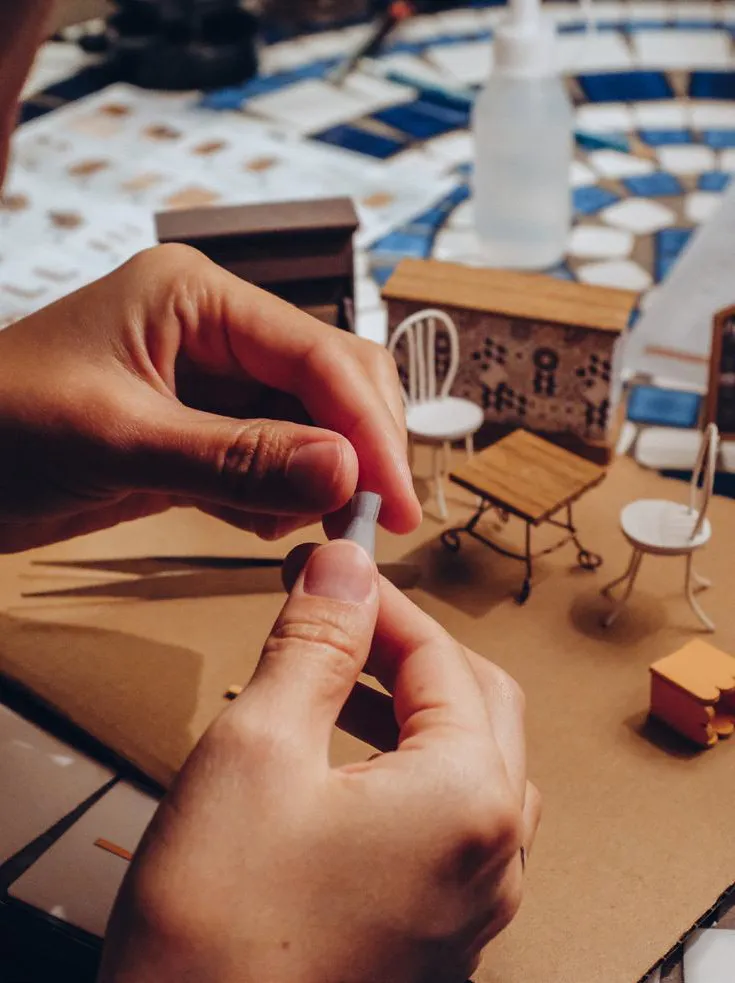
Hands assembling a miniature furniture model

Interior Design Diploma Course Curriculum

The curriculum progresses from foundational design concepts to applied interior projects and portfolio development.

Semester 1: Foundations of Interior Design

Build the creative and technical foundation needed to understand and shape spaces.

Subject 1: Design Foundations

  • Principles of design
  • Elements of design
  • Proportion and scale
  • Balance and composition
  • Form and function
  • Visual relationships within a space
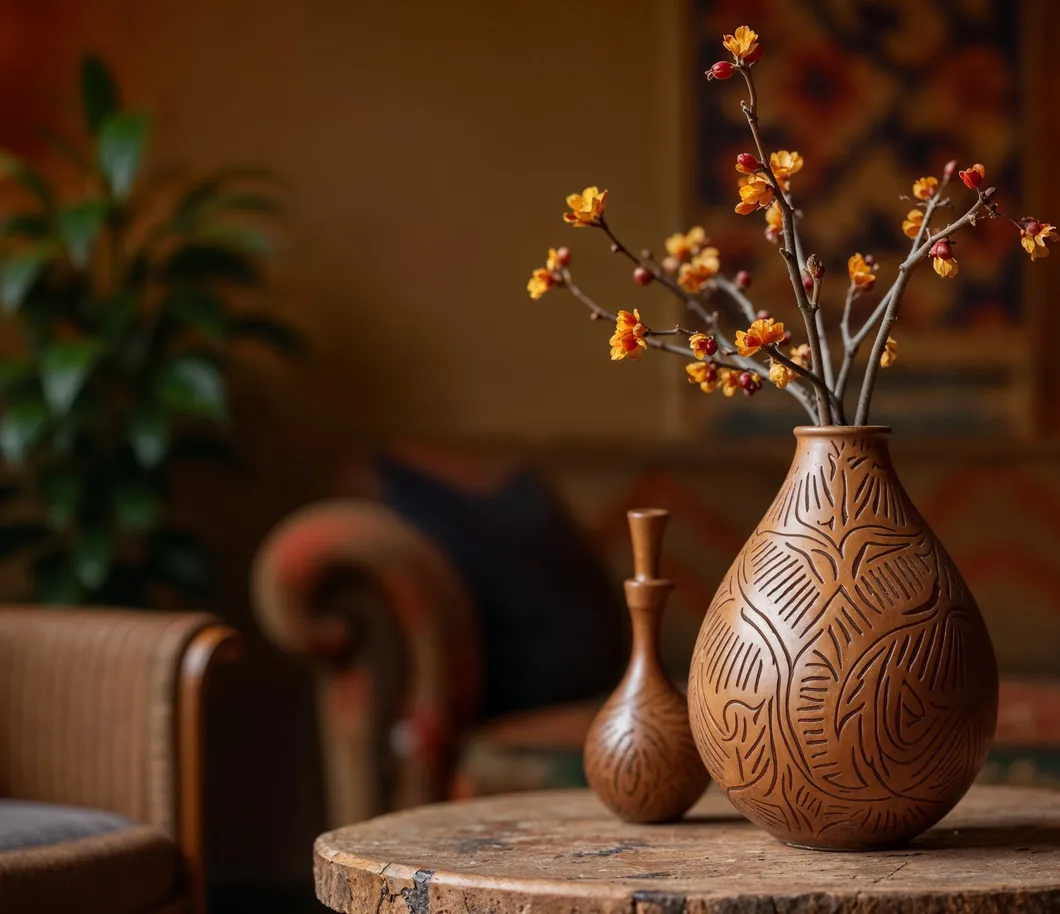
Carved wooden vase on a side table

Subject 2: Drawing and Visualisation

  • Interior sketching
  • Perspective drawing
  • Spatial representation
  • Visual communication
  • Developing design ideas through sketches
  • Presenting spatial concepts visually

Subject 3: Space Planning

  • Understanding space requirements
  • Zoning
  • Circulation
  • Furniture placement
  • Layout development
  • Spatial relationships
  • Functional planning

Subject 4: Colour and Materials

  • Colour theory
  • Colour relationships
  • Textures and finishes
  • Material characteristics
  • Material palettes
  • Combining colours and materials
  • Creating cohesive interior schemes
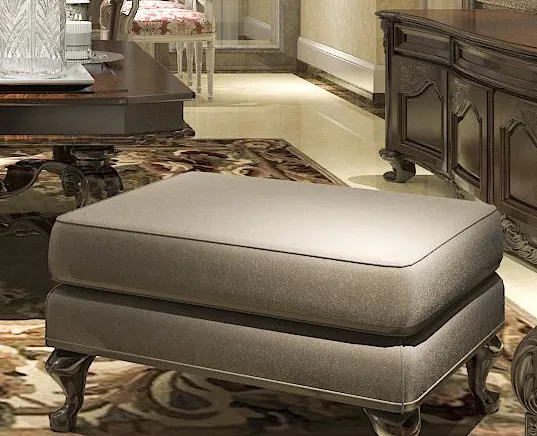
Upholstered ottoman in a classic living room

Subject 5: Furniture and Interior Elements

  • Furniture types and functions
  • Furniture placement
  • Form and function
  • Fixtures and interior elements
  • Relationship between furniture and space
  • Creating balanced interior compositions

Subject 6: Lighting Fundamentals

  • Role of lighting in interiors
  • Natural light
  • Artificial lighting
  • Lighting and ambience
  • Relationship between lighting and materials
  • Basic lighting considerations for interior spaces
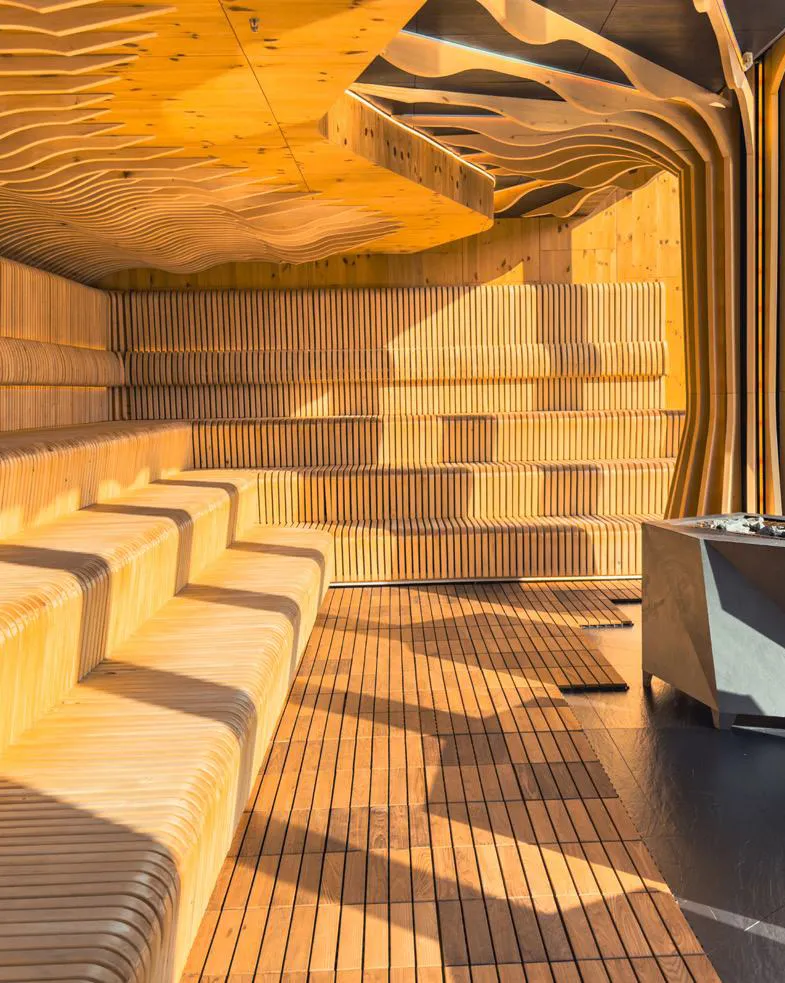
Sculptural wooden interior with curved slatted surfaces

Semester 1 Project

Concept Development and Residential Space Planning

Students apply foundational concepts to develop a residential interior concept, including spatial planning, furniture placement, colour and material direction.

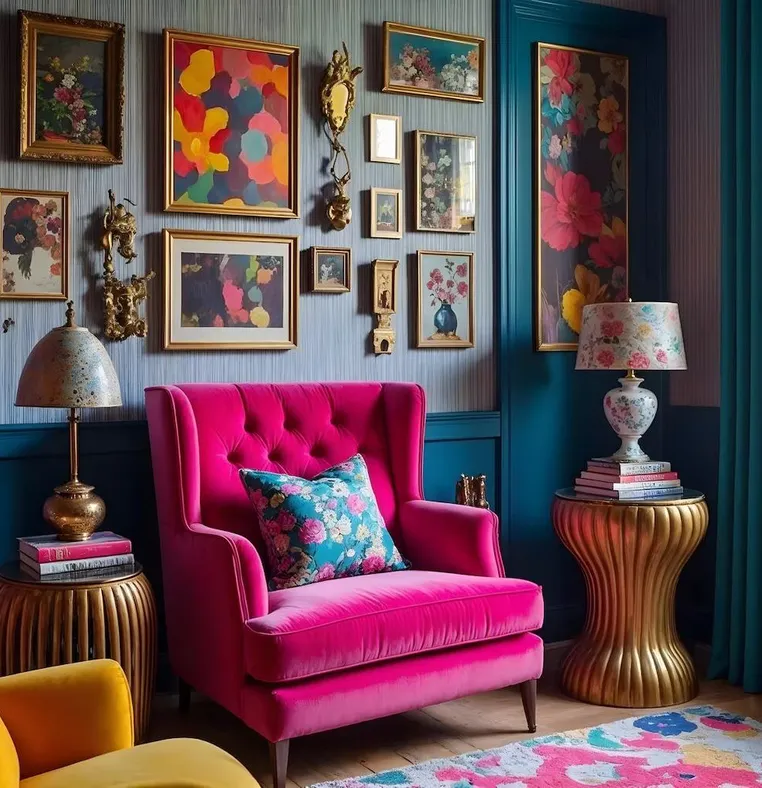
Residential interior with a pink velvet armchair and a gallery wall

Semester 2: Applied Interior Design

Take foundational skills into more developed design scenarios and build a professional design perspective.

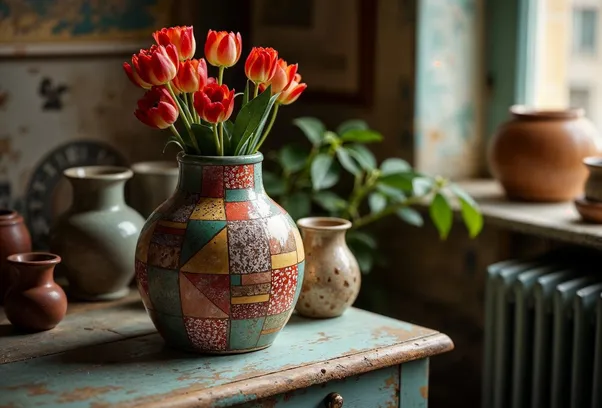
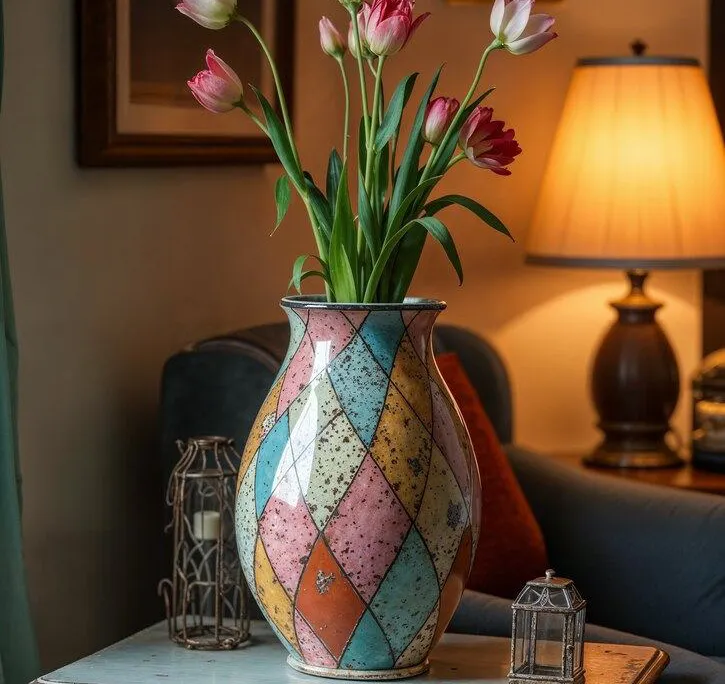
Patterned vase with tulips beside a table lamp

Subject 7: Residential Interiors

  • Lifestyle-driven space planning
  • Residential zoning
  • Furniture and layout development
  • Colour and material coordination
  • Residential styling
  • Creating functional and visually cohesive spaces
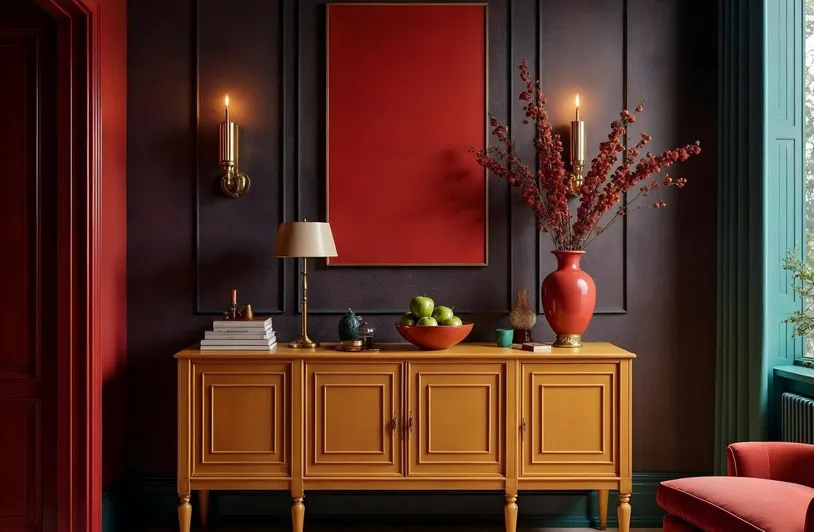
Wooden sideboard against a deep red wall

Subject 8: Commercial Interiors

  • Understanding commercial spaces
  • User experience
  • Functional planning
  • Brand-led environments
  • Spatial organisation
  • Designing around user and business requirements

Subject 9: Interior Styling

  • Principles of interior styling
  • Décor and accessories
  • Colour coordination
  • Material and texture relationships
  • Visual composition
  • Creating cohesive interior environments
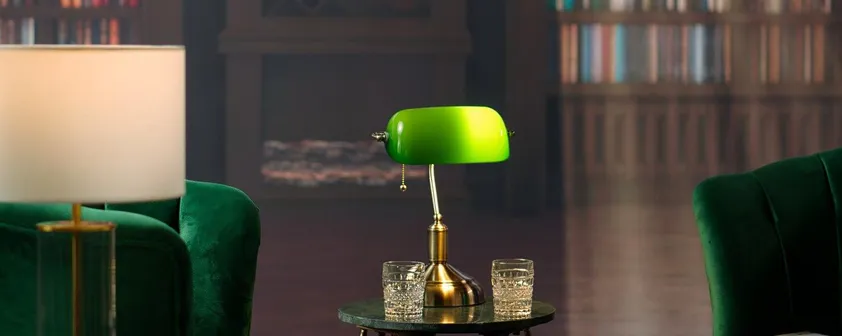
Green banker's lamp in a library lounge

Subject 10: Digital Design and Presentation

  • Digital layouts
  • Design documentation
  • Visual presentation
  • Project communication
  • Organising design information
  • Presenting concepts professionally
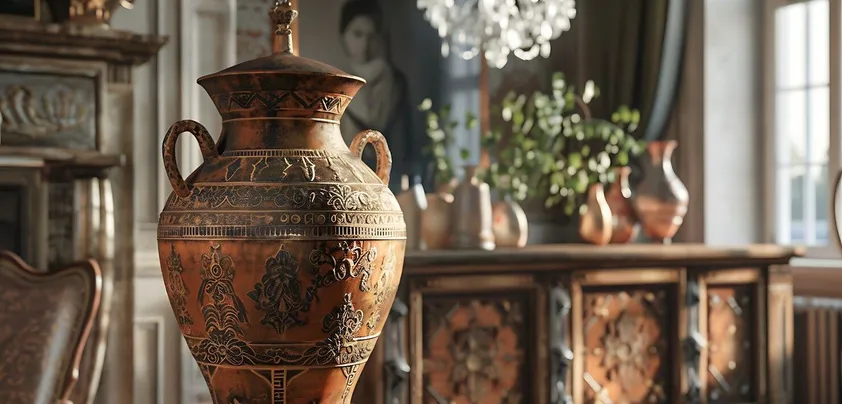
Ornate ceramic urn in a classic interior

Subject 11: Portfolio Development

  • Project selection
  • Project curation
  • Design process documentation
  • Presentation of design concepts
  • Organising a professional body of work
  • Portfolio presentation

Final Project

Complete Interior Design Project and Professional Portfolio

Students bring together their learning through a complete interior design project covering concept development, spatial planning, materials, furniture, styling and presentation.

Download Brochure
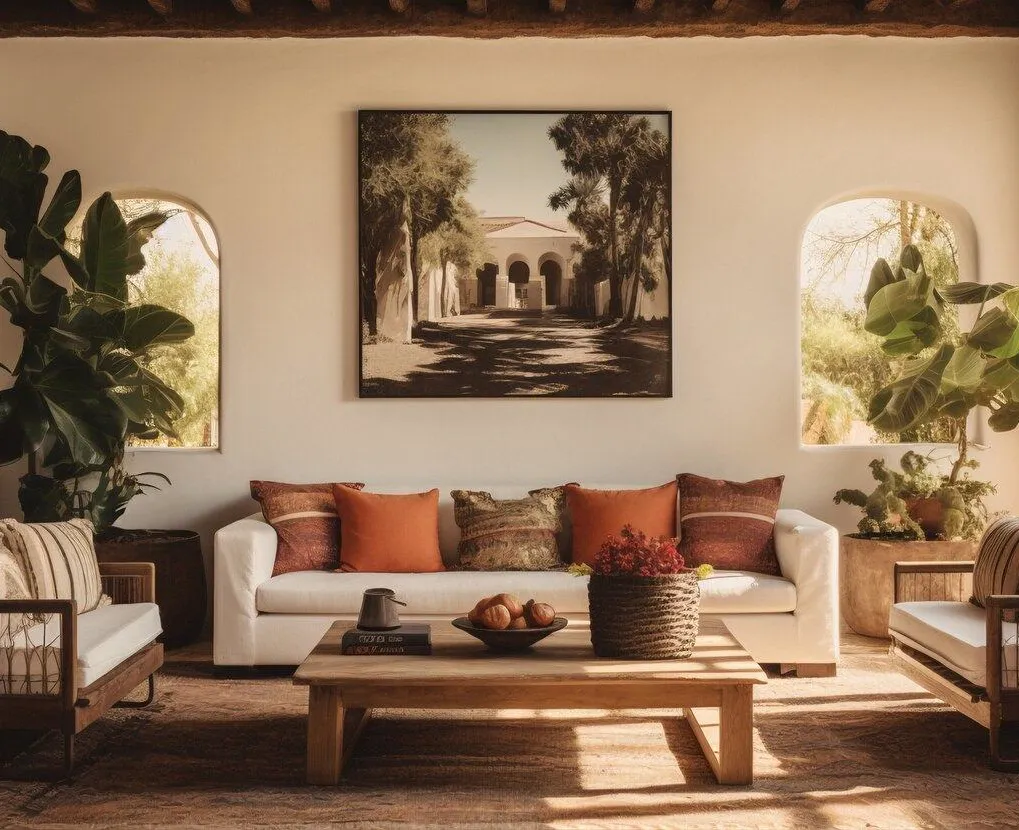
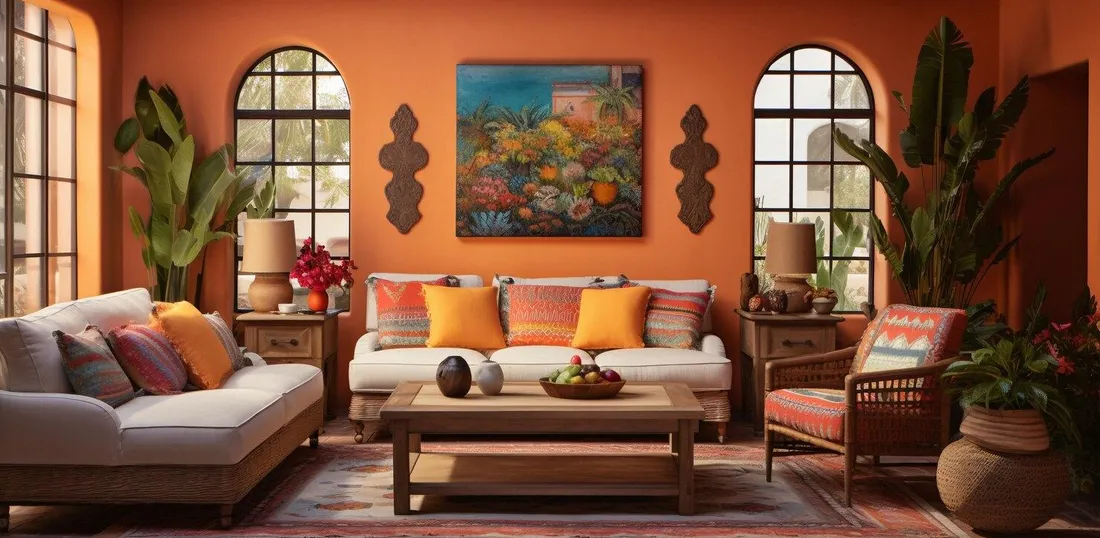
Warm terracotta living room with arched windows
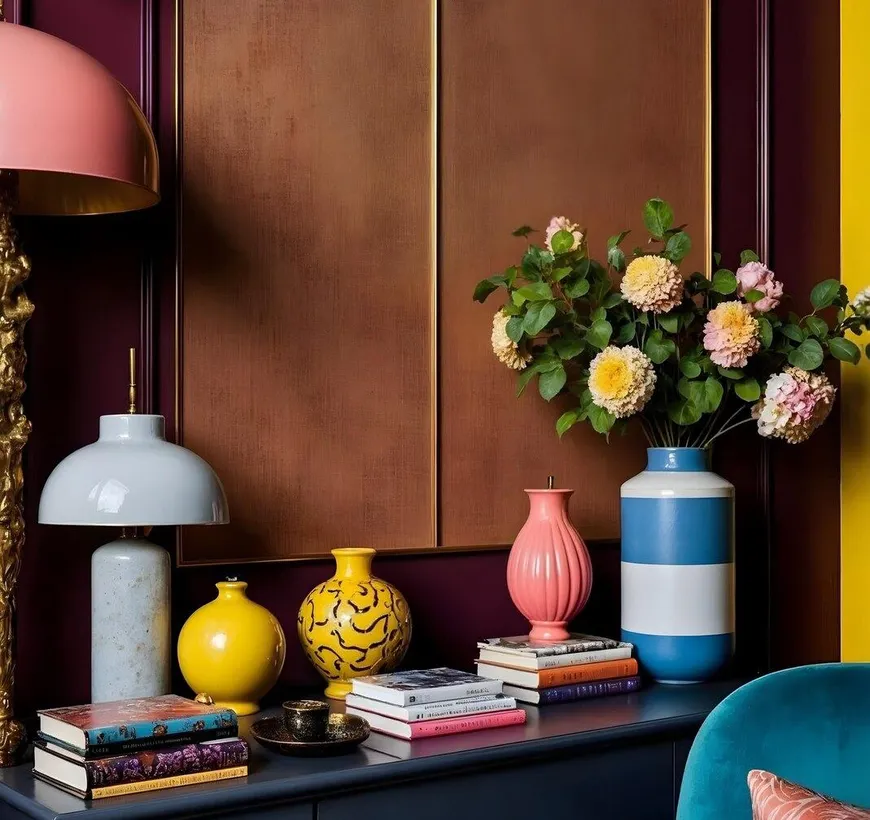
Colourful vases styled on a console

What You Will Learn

The interior design diploma course brings together creative thinking, spatial understanding and practical design skills.

Students will explore:

  • Interior design fundamentals
  • Design principles and elements
  • Proportion, scale and composition
  • Space planning
  • Zoning and circulation
  • Interior sketching and visualisation
  • Colour theory
  • Materials and finishes
  • Furniture and interior elements
  • Lighting fundamentals
  • Residential interiors
  • Commercial interiors
  • Interior styling
  • Surface and material studies
  • Digital design and presentation
  • Design documentation
  • Portfolio development

Learning Through Making

The programme combines foundational learning with practical design exercises and project work.

Students can work through:

  • Space-planning assignments
  • Interior sketches
  • Perspective exercises
  • Material and texture exploration
  • Colour studies
  • Furniture layouts
  • Moodboards and concept boards
  • Residential design projects
  • Commercial design concepts
  • Styling exercises
  • Design presentations
  • Project documentation
  • Portfolio projects

The objective is to take a design idea from observation and research to a structured spatial concept and presented design outcome.

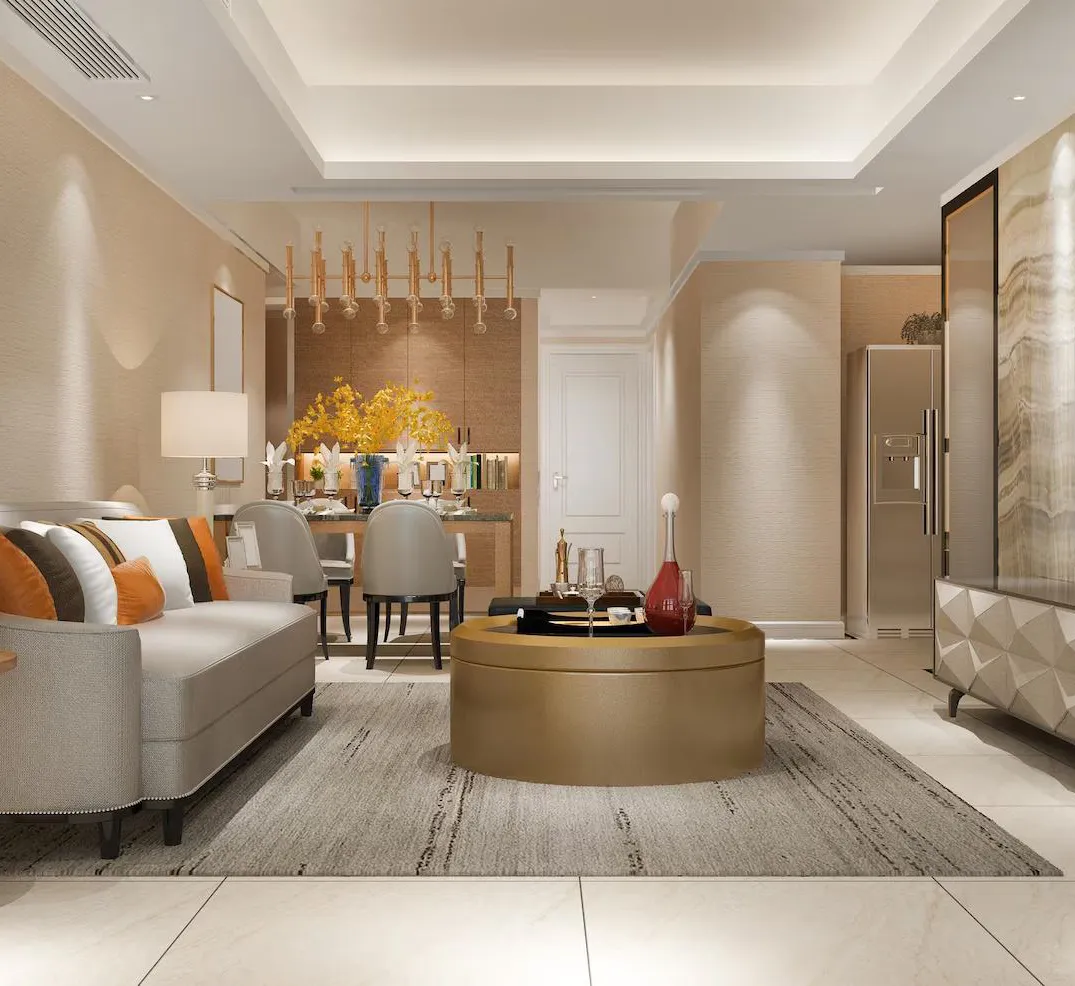
Contemporary living and dining interior in warm neutrals
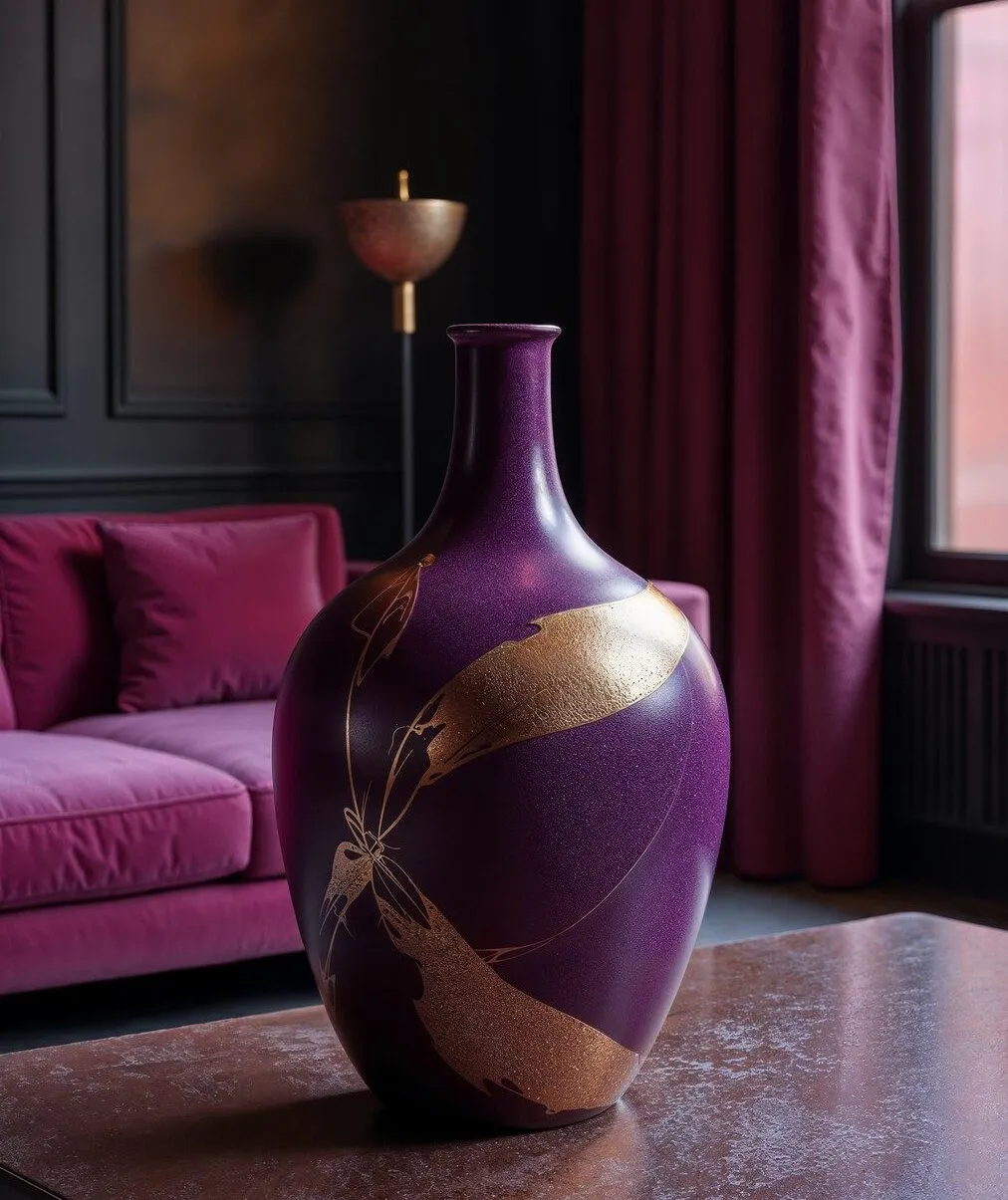
Purple and gold vase in a moody living room

Projects & Portfolio

The programme allows students to build a body of work across different stages of the interior design process.

Research a design direction and develop moodboards, visual references and initial concepts.

Translate user requirements into zoning, circulation, layouts and furniture placement.

Explore textures, finishes, colour relationships and material combinations to establish an interior design direction.

Develop a residential interior concept based on lifestyle, functionality and visual composition.

Explore commercial environments with attention to users, functionality and the identity of the space.

Curate selected projects and present your design process, concepts and outcomes as a professional body of work.

Industry Exposure & Mentorship

The programme introduces students to practical and professional perspectives within interior design.

Learn from real-world design perspectives and understand how interior design concepts are developed beyond the classroom.

Work on assignments that encourage students to apply design principles to realistic interior design situations.

Consider users, requirements, functionality and spatial experience while developing interior concepts.

Develop the ability to communicate and present interior design ideas through visual and project-based presentations.

Take concepts through research, ideation, spatial planning, development and presentation.

Build an understanding of the design thinking, communication and presentation skills needed when beginning a career in interior design.

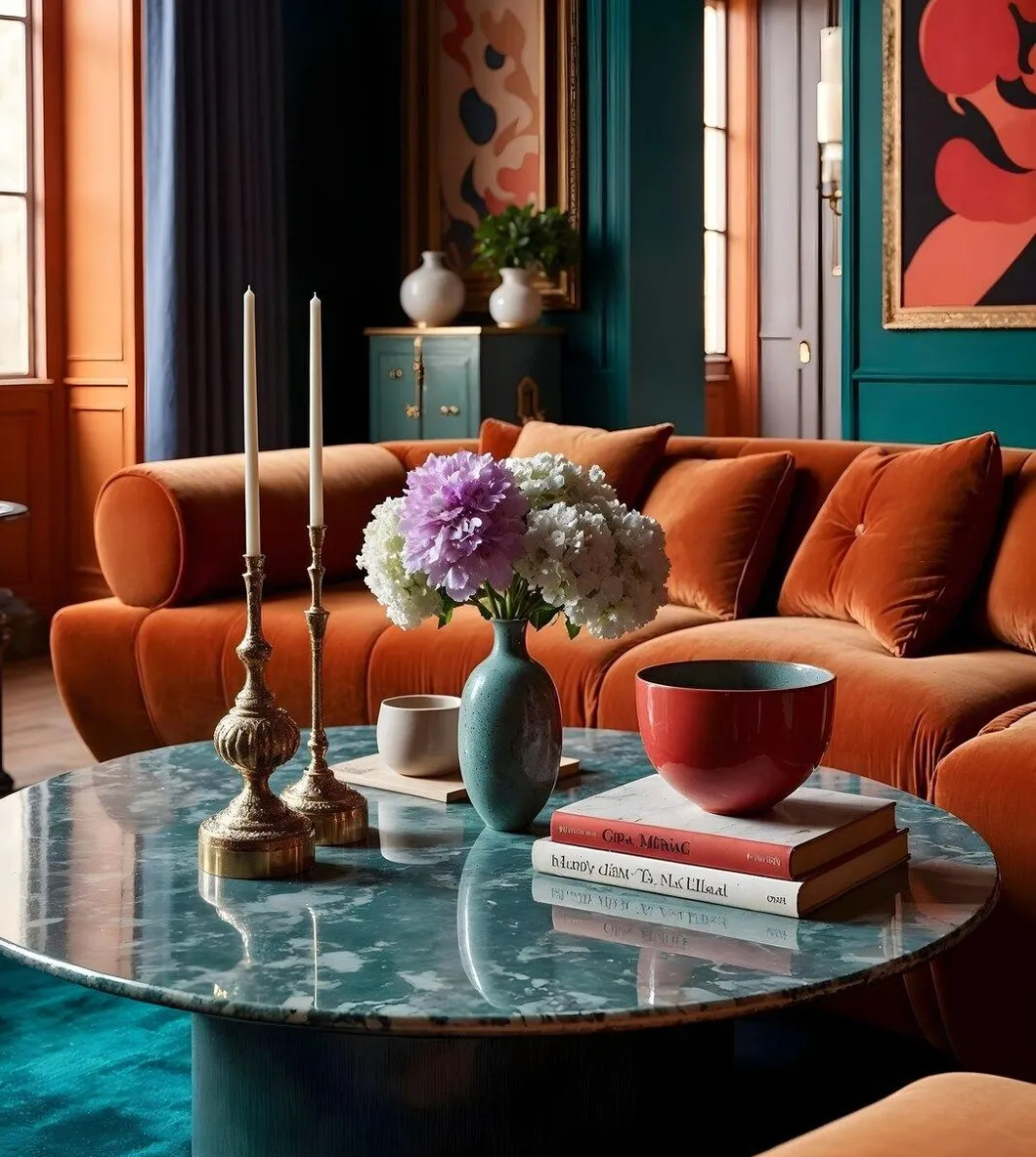
Marble coffee table styled with books and candles in a living room

Learn From Faculty & Industry Experts

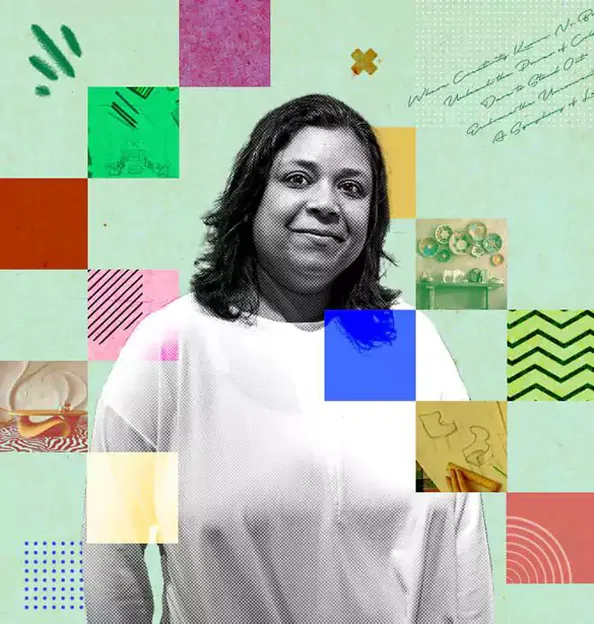
Ms. Tanya Gupta

Ms. Tanya Gupta

Associate Professor, Interior Design

38+ years of experience, Architecture, Interiors and Sustainability

An architect, academic and researcher with experience across India and Singapore, Tanya Gupta brings global perspectives and sustainable thinking to interior design education.

Her areas of experience include adaptive reuse, sustainable design and academic research. She has contributed to 6 Scopus/ASI-indexed publications and presented research internationally.

Her approach encourages students to think about interiors as thoughtful, responsible and future-ready environments.

Interior Design Facilities

A strong interior design education requires opportunities to observe spaces, experiment with materials and communicate design ideas visually.

The learning experience can incorporate:

  • Design studio work
  • Furniture planning
  • Drawing and visualisation
  • Design presentations
  • Material exploration
  • Digital design workflows
  • Spatial planning exercises
  • Project documentation
  • Colour and texture studies
  • Portfolio development

These areas support the progression from initial design thinking to developed interior design projects.

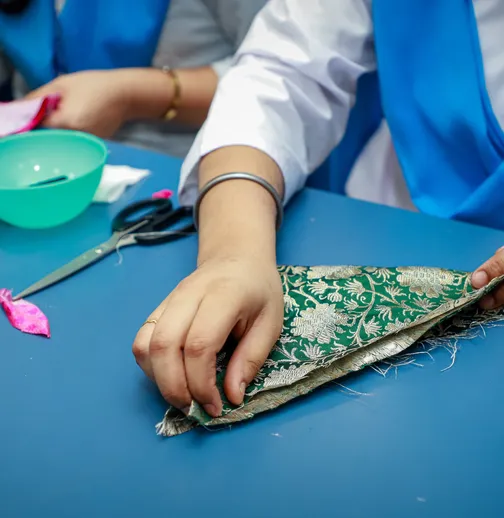
Student stitching embroidery at a workshop table
Sunlit living room with a linen sofa and arched windows

Where Can Your Interior Design Journey Take You?

Depending on skills, portfolio and professional interests, graduates can explore opportunities as:

  • Interior Designer
  • Junior Interior Designer
  • Interior Design Assistant
  • Space Planner
  • Interior Stylist
  • Design Consultant
  • Furniture Design Assistant
  • Visual Merchandiser
  • Set and Spatial Design Assistant
  • Freelance Interior Designer
  • Interior Design Entrepreneur
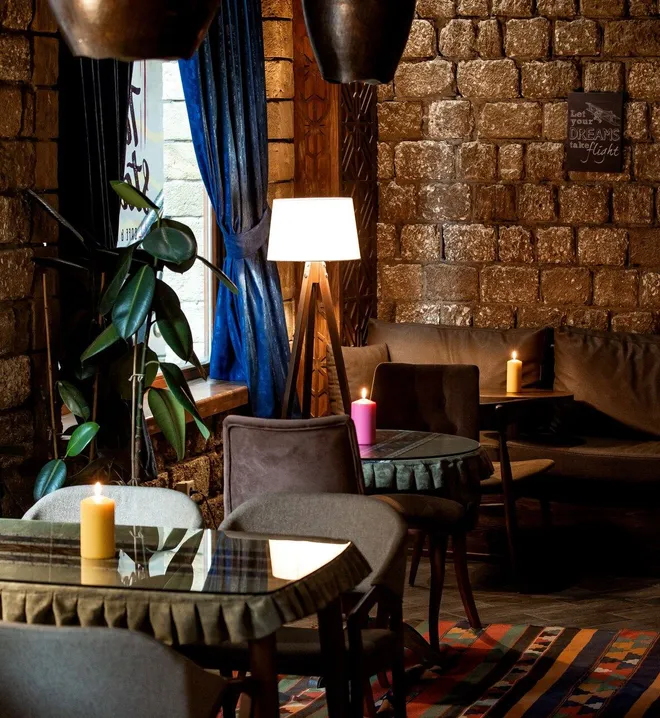
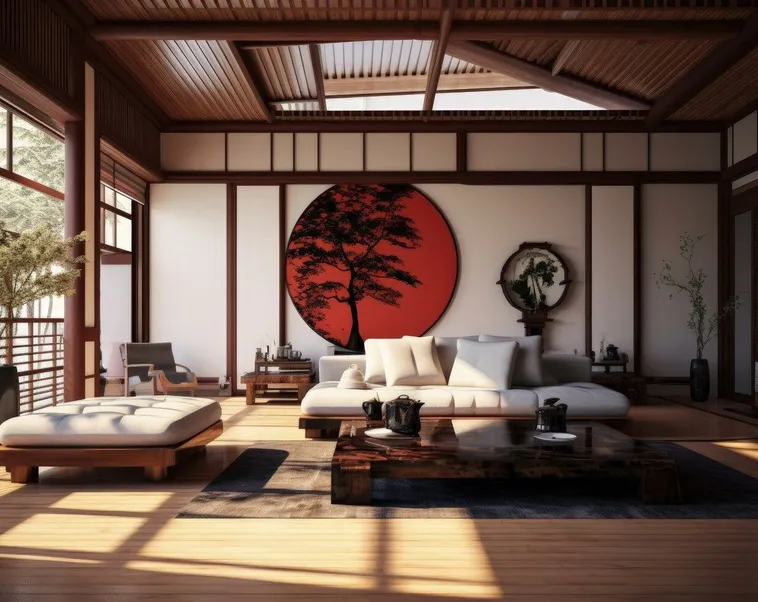
Cosy café interior with a stone wall and pendant lights Japanese-inspired living room with timber ceiling

The diploma can also provide a foundation for students who wish to pursue advanced studies in interior design or related creative disciplines.

Career preparation can include:

  • Portfolio development
  • Project presentation
  • Professional communication
  • Career guidance
  • Design profile building
  • Professional orientation
  • Entrepreneurship perspectives

Who Should Join This Interior Design Course?

This interior designing course is suited to students and aspiring creatives who:

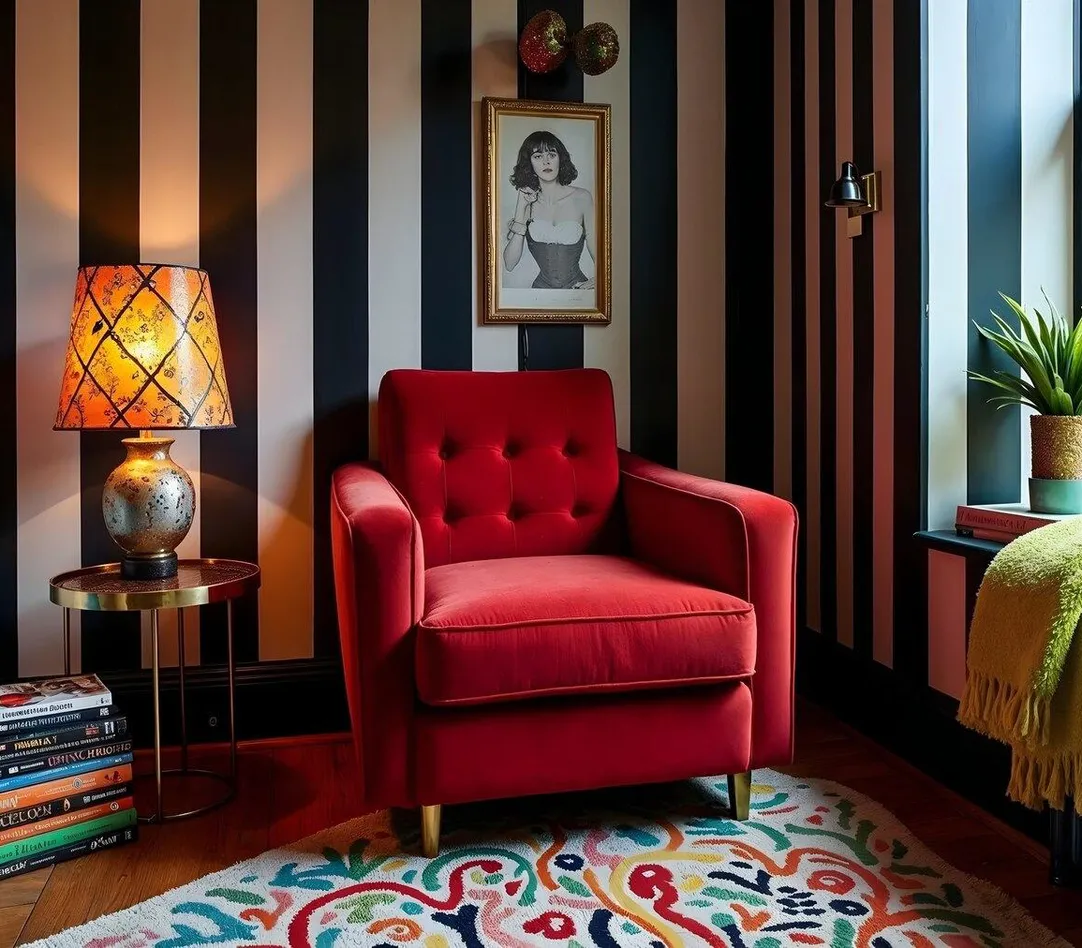
Red armchair in a striped-wallpaper reading corner
  • Have completed 10+2 or an equivalent qualification
  • Are passionate about interiors and aesthetics
  • Want to build professional design skills
  • Are interested in spatial planning and creative problem-solving
  • Are exploring a career in interior design
  • Want to develop a professional design portfolio
  • Are considering freelance or entrepreneurial opportunities

No prior professional experience in interior design is required.

Eligibility & Admission Process

Eligibility

10+2 or equivalent from a recognised board

No prior professional experience in interior design is required.

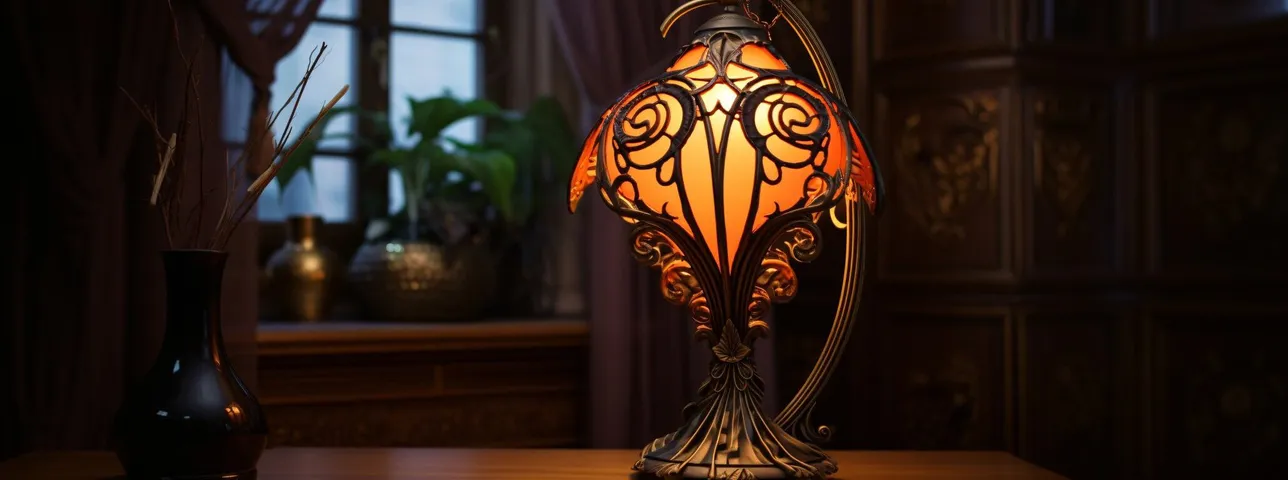
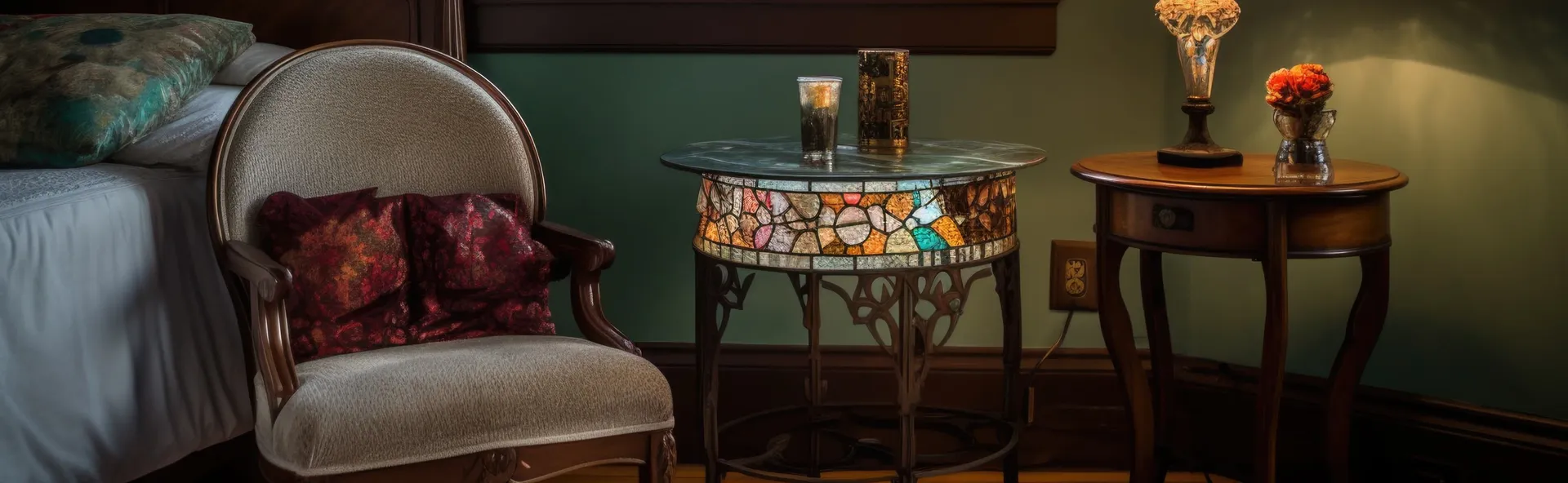
Art nouveau table lamp glowing in a dark room

Admission Process

  1. Step
    01

    Apply

    Complete the programme application.

  2. Step
    02

    Connect

    Understand the programme, learning format and requirements.

  3. Step
    03

    Interaction

    Participate in the applicable admission interaction or assessment.

  4. Step
    04

    Enrol

    Complete the admission formalities and begin your design journey.

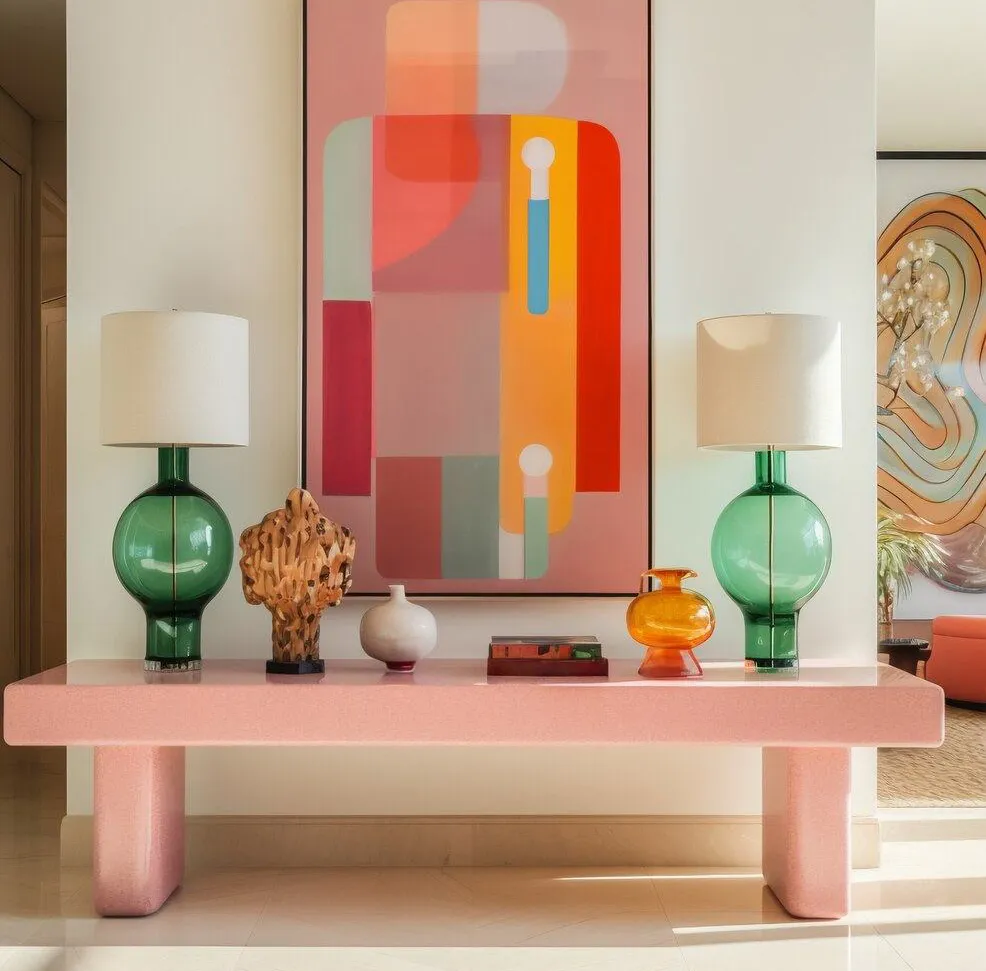
Pink console table with green glass lamps and abstract art
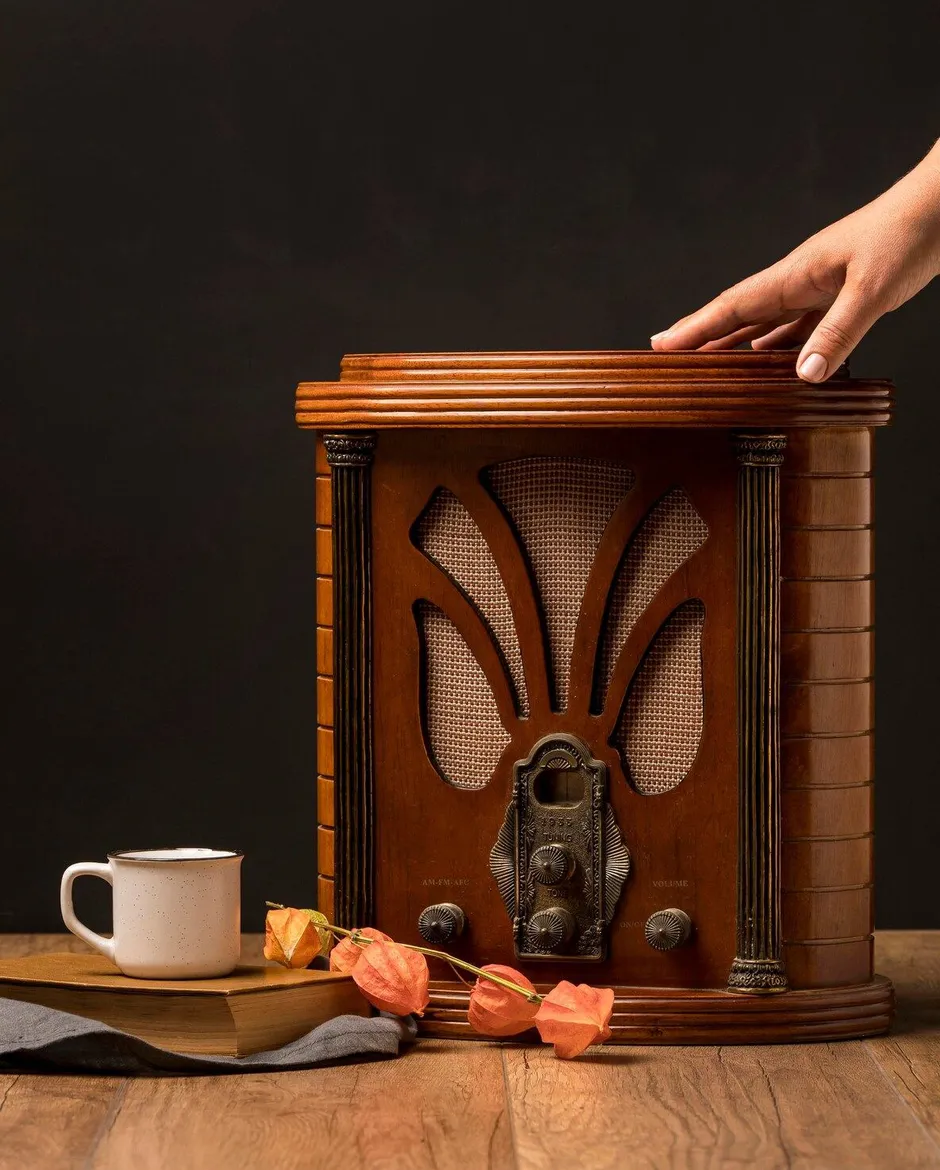
Hand resting on a vintage wooden radio

Programme Snapshot

Programme DetailInformation
Programme1-Year Diploma in Interior Design
Duration1 Year
Learning FormatHybrid
Learning Hours330 Hours
Weekly Commitment6 Hours/Week
Eligibility10+2
Programme Fee₹2,50,000/-
AwardDiploma
Institutional CodeCDUG

Fees & Financial Assistance

Programme Fee

₹2,50,000/-

For information regarding payment options, financial assistance or other fee-related queries, connect with us.

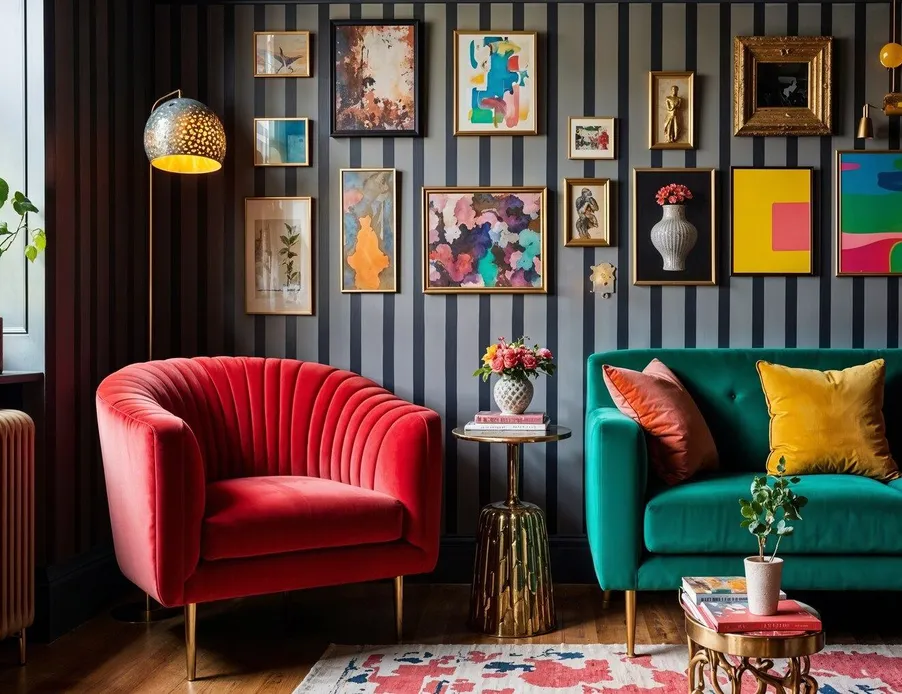
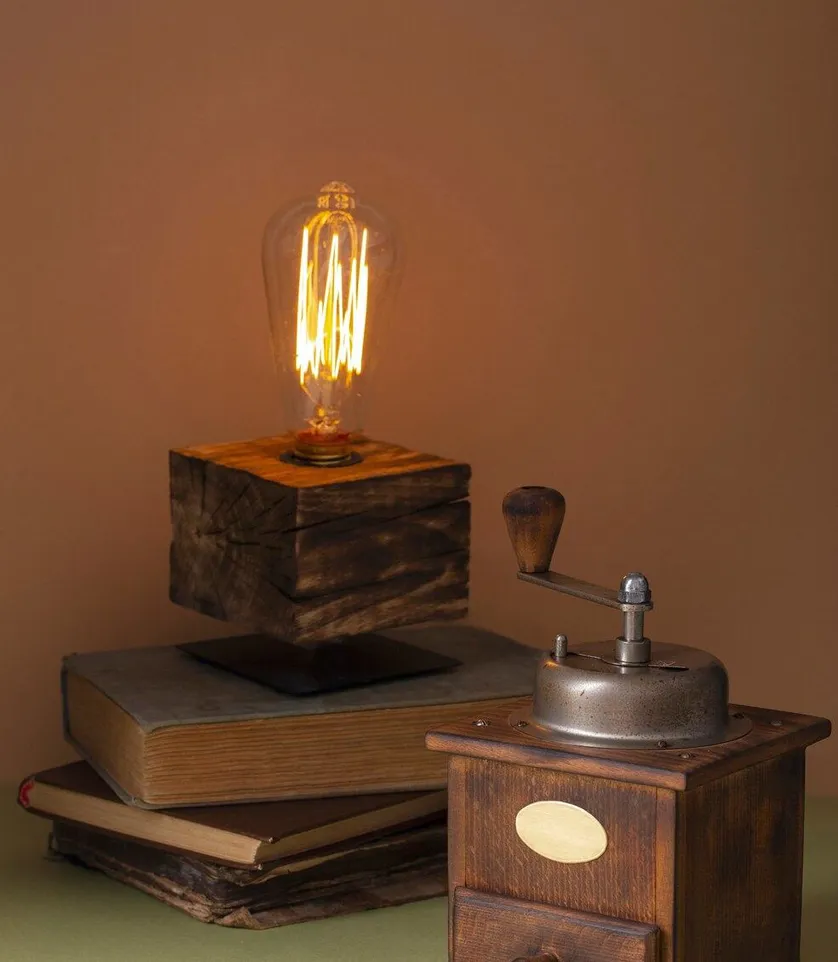
Living room with a red armchair, green sofa and gallery wall Vintage coffee grinder and Edison bulb lamp on old books

Frequently Asked Questions

The 1-Year Diploma in Interior Design is a structured programme covering the creative and practical aspects of interior design, including space planning, drawing, colour, materials, furniture, lighting, styling, visualisation and portfolio development.

Students who have completed 10+2 or an equivalent qualification can apply. The programme is suitable for beginners as well as learners looking to build a professional foundation in interior design.

Yes. The programme begins with foundational design concepts and progressively introduces students to spatial planning, visualisation, materials, furniture, styling and project development.

Yes. Students with 10+2 or an equivalent qualification can apply. The programme provides a structured pathway for students looking to enter the interior design field after school.

You will explore interior design fundamentals, design principles, space planning, drawing and visualisation, colour and materials, furniture, lighting, residential interiors, commercial interiors, styling, digital presentation and portfolio development.

Yes. Portfolio development is included in the programme, with students working on projects that demonstrate their design process, concepts and outcomes.

Build Your Creative
Foundation in Interior Design

Develop the ability to understand spaces, build concepts, solve spatial problems and communicate your design ideas through the 1-Year Diploma in Interior Design at IMS DIA.

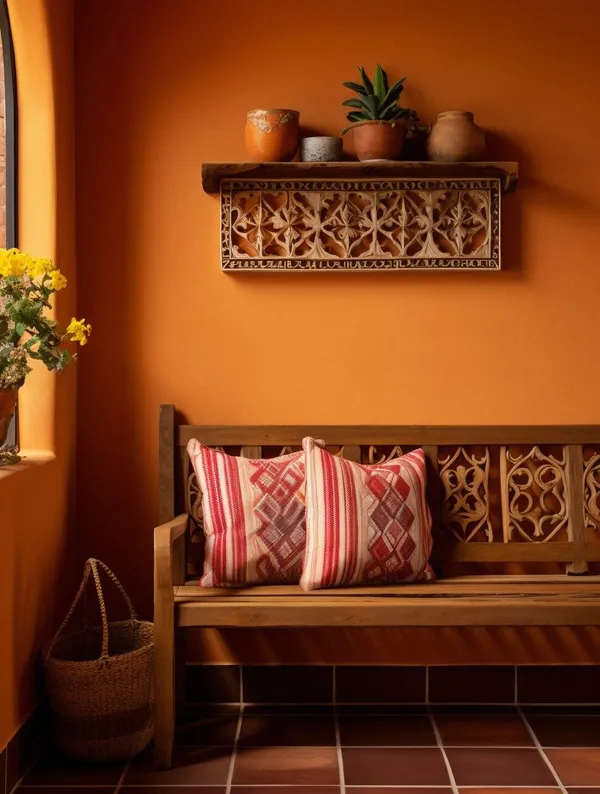
Terracotta entryway with a carved wooden bench
loader
Scroll to Top