
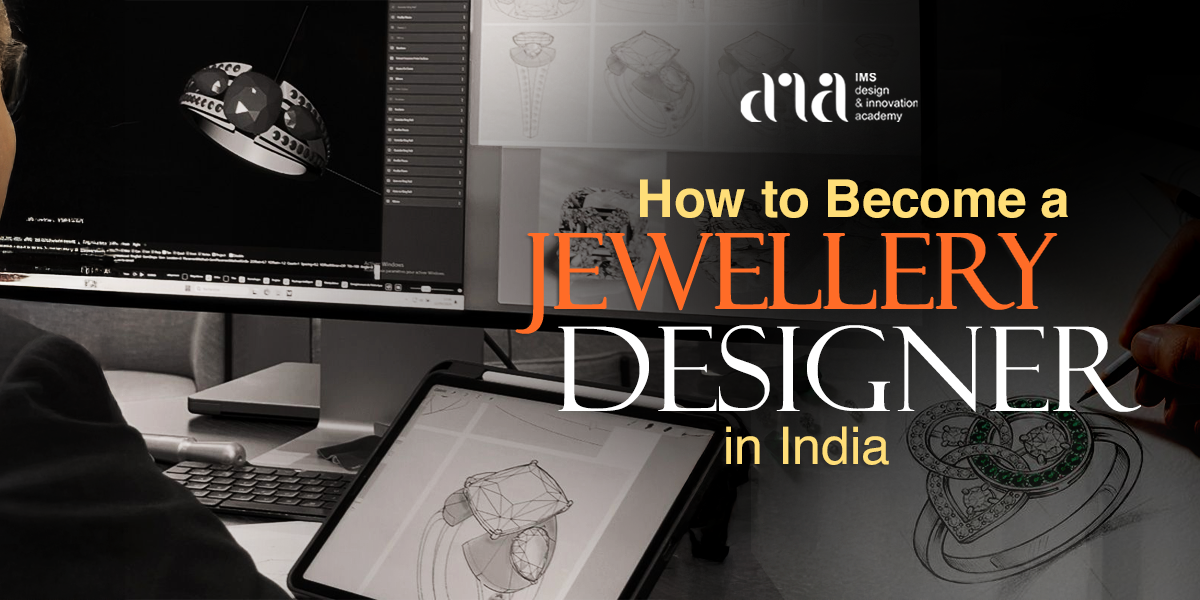
Pursuing a career in design involves considering creativity, industry demand, educational pathways, and long-term growth opportunities. Among the many design specializations available today, jewellery design has emerged as a rewarding career that combines artistic expression, craftsmanship, technology, and business knowledge.
As the global jewellery industry continues to evolve through innovation, computer-aided design, customization, and luxury branding, skilled jewellery designers are increasingly sought after by manufacturers, retailers, luxury brands, and independent design studios.
For students wondering how to become a jewellery designer, it is important to understand the eligibility criteria, available courses after the 12th, program outcomes, and career opportunities before making an informed decision. This guide provides an in-depth overview of jewellery design eligibility, course options, essential skills, and the overall scope of jewellery design in India and abroad.
Jewellery Design Courses After 12th: Quick Overview
| Particulars | Details |
|---|---|
| Course Name | Jewellery Design Courses |
| Eligibility | Completion of 10+2 from a recognized board |
| Streams Eligible | Science, Commerce, and Arts |
| Course Types | Certificate, Diploma, and Undergraduate Degree Programs |
| Duration | 6 Months to 4 Years |
Eligibility Criteria for Jewellery Design Courses
One of the most common questions students ask is about jewellery design eligibility after completing school education.
The good news is that jewellery design is an inclusive field that welcomes students from diverse academic backgrounds.
Basic Eligibility Requirements:
Most institutions require candidates to:
- Complete Class 12 (10+2) from a recognized board
- Achieve the minimum percentage specified by the institute
- Demonstrate interest in design, creativity, and visual communication
- Meet institute-specific admission requirements if applicable
Stream-Wise Eligibility:
Students from all major streams can pursue jewellery design:
Science Students
Science students often bring analytical thinking and technical understanding that can be beneficial in design software, production techniques, and material sciences.
Commerce Students
Commerce students can contribute valuable business insights related to retail operations, merchandising, branding, and entrepreneurship.
Arts Students
Arts students frequently possess strong creative abilities, visual thinking skills, and design sensibilities that align naturally with jewellery design.
One of the key advantages of jewellery design is its accessibility to learners at different stages of life and career. While many students choose to pursue jewellery design after Class 12, the field also attracts women looking to restart their careers, professionals seeking a creative career transition, entrepreneurs interested in launching their own jewellery brands, and individuals passionate about design and craftsmanship. With flexible learning pathways available, jewellery design offers opportunities for both fresh graduates and career changers alike. Therefore, jewellery design course eligibility is generally not restricted to any specific stream. Students looking for a jewellery design college in Noida should compare the curriculum, studio facilities, faculty expertise, and industry exposure before selecting a program.
Portfolio Requirements
Some advanced design institutes may require:
- Sketches
- Creative assignments
- Design portfolios
- Personal interviews
However, many beginner-level programs admit students directly after Class 12 without prior design experience.
Jewellery Design Courses Available After 12th
Students can choose from multiple educational pathways depending on their career goals, budget, and time commitment.
Certificate Courses
Certificate programs provide foundational knowledge and practical exposure.
Topics often include:
- Basic jewellery sketching
- Design principles
- Introduction to gemstones
- Manufacturing processes
Duration typically ranges from:
- 3 months
- 6 months
- 1 year
These courses are suitable for students seeking quick industry exposure.
Diploma Programs
Diploma courses offer deeper technical and creative training.
Key areas include:
- Jewellery illustration
- Gemology basics
- Computer-aided jewellery design
- Production methods
- Market trends
Diploma programs generally last between one and two years.
Undergraduate Degree Programs
Students seeking comprehensive professional education often choose degree-level programs.
Common options include:
- Bachelor of Design (B.Des.) in Jewellery Design
- Bachelor of Vocational Studies in Jewellery Design
- Specialized Design Degrees with Jewellery Design Majors
Degree programs provide extensive training in:
- Design research
- Product development
- Branding
- Manufacturing
- Consumer behavior
- Entrepreneurship
These programs typically span three to four years.
Get Started Today: Our Counselors are Just a Click Away
Get a Call BackWhat Do Students Learn in a Jewellery Design Course?
Modern jewellery design education goes far beyond drawing attractive ornaments.
Students gain knowledge across multiple disciplines that contribute to successful jewellery creation and commercialization.
Design Fundamentals
Students learn:
- Design principles
- Form and structure
- Color theory
- Visual composition
- Creative problem-solving
These concepts serve as the foundation of jewellery creation.
Jewellery Illustration
Hand sketching remains an essential skill.
Students develop expertise in:
- Concept visualization
- Technical drawings
- Rendering techniques
- Presentation methods
Gemology Basics
Understanding gemstones is critical for jewellery designers.
Students study:
- Gem identification
- Gem properties
- Grading standards
- Market classifications
CAD and Digital Design
Technology plays a major role in modern jewellery manufacturing.
Students learn software used for:
- 3D modelling
- Product visualization
- Prototype development
- Manufacturing support
CAD proficiency significantly improves employability.
Manufacturing Processes
Students understand how designs move from concept to finished products.
Topics include:
- Casting
- Stone setting
- Metalworking
- Finishing techniques
- Quality control
Jewellery Merchandising
Many programs also cover business aspects such as:
- Consumer trends
- Retail management
- Product positioning
- Brand development
This helps graduates understand the commercial side of the industry, including how market trends, such as why a slowdown in gold buying is actually good news for jewellery design students, can influence design innovation, consumer preferences, and future career opportunities.
Skills Required for a Career in Jewellery Design
Success in jewellery design depends on a combination of creative and technical skills.
Creativity and Artistic Thinking
Designers must continuously generate unique concepts that appeal to evolving consumer preferences.
Drawing and Visualization Skills
The ability to communicate ideas visually remains essential throughout the design process.
Attention to Detail
Jewellery often involves intricate craftsmanship where even minor details can significantly impact the final product.
Technical Proficiency
Modern designers benefit from understanding:
- CAD software
- Digital rendering tools
- Manufacturing technologies
Trend Awareness
Designers must stay informed about:
- Fashion trends
- Consumer preferences
- Material innovations
- Luxury market developments
Communication Skills
Jewellery designers regularly collaborate with:
- Clients
- Craftsmen
- Production teams
- Marketing professionals
Strong communication improves project outcomes.
Problem-Solving Ability
Design challenges frequently require innovative solutions balancing aesthetics, functionality, and production feasibility.
How to Choose the Right Jewellery Design Course After 12th
Selecting the right course is one of the most important decisions for aspiring designers.
Consider the following factors before enrolling.
Curriculum Structure
Review whether the course covers:
- Design fundamentals
- CAD training
- Gemology
- Manufacturing techniques
- Portfolio development
A balanced curriculum improves career readiness.
Industry Exposure
Look for programs that provide workshops, live projects, industry interactions, and internship opportunities. Practical experience strengthens professional skills and helps students understand real-world industry requirements. Institutes such as IMS DIA emphasize hands-on learning and industry engagement to help students build practical experience alongside classroom instruction.
Faculty Expertise
Experienced faculty members often bring valuable industry insights and mentorship opportunities.
Infrastructure and Technology
Modern jewellery design education benefits from access to:
- Design studios
- CAD laboratories
- Prototype development facilities
Portfolio Development Support
A strong portfolio plays a crucial role in securing internships and employment opportunities. Institutions that emphasize portfolio building can provide an advantage during job applications. Students planning for B Des admission 2026 should also evaluate how effectively an institute supports portfolio development, alongside project-based learning and industry exposure.
Ready to Take Admission in Top Jewellery Design College?Get Admission Guidance
Get Admission HelpCareer Scope After Studying Jewellery Design
The jewellery design career scope has expanded significantly due to growing consumer demand, customization trends, luxury markets, and technological innovation.
Graduates can pursue diverse career paths.
Jewellery Designer
Jewellery Designers create original collections for brands, manufacturers, and retailers by developing concepts, sketching designs, selecting materials, and reviewing prototypes. This role blends creativity with technical expertise and offers opportunities to work on a wide range of jewellery styles and collections.
Expected Salary:
- Entry-level: ₹3–5 LPA
- Mid-level: ₹6–10 LPA
- Senior-level: ₹12–20+ LPA
CAD Jewellery Designer
CAD Jewellery Designers use specialized software to create precise digital models for visualization, prototyping, and manufacturing. As digital workflows become increasingly common, this role has become one of the most sought-after positions in the jewellery industry.
Expected Salary:
- Entry-level: ₹3.5–6 LPA
- Mid-level: ₹7–12 LPA
- Senior-level: ₹15–25+ LPA
Gemologist
Gemologists specialize in gemstone identification, grading, authentication, and valuation. They work with jewellery brands, laboratories, retailers, and auction houses to assess the quality and authenticity of precious stones.
Expected Salary:
- Entry-level: ₹3–5 LPA
- Mid-level: ₹6–10 LPA
- Senior-level: ₹12–18+ LPA
Jewellery Merchandiser
Jewellery Merchandisers focus on product planning, inventory management, trend analysis, and consumer demand forecasting. Their work helps businesses maintain the right product mix while responding to market trends and customer preferences.
Expected Salary:
- Entry-level: ₹3–5 LPA
- Mid-level: ₹6–9 LPA
- Senior-level: ₹10–18+ LPA
Product Development Executive
Product Development Executives coordinate between design and production teams to ensure collections move efficiently from concept to market. They oversee timelines, production requirements, and quality standards throughout the development process.
Expected Salary:
- Entry-level: ₹4–6 LPA
- Mid-level: ₹7–12 LPA
- Senior-level: ₹15–25+ LPA
Retail Jewellery Consultant
Retail Jewellery Consultants assist customers with product selection while sharing their knowledge of jewellery design, gemstones, and craftsmanship. This role combines sales expertise with customer service and product knowledge.
Expected Salary:
- Entry-level: ₹2.5–4.5 LPA
- Mid-level: ₹5–8 LPA
- Senior-level: ₹8–15+ LPA
Entrepreneur
Many jewellery design graduates choose to launch custom jewellery brands, boutique studios, or online jewellery businesses. The growth of e-commerce and social media marketing has made entrepreneurship more accessible, allowing designers to reach customers across regional and global markets.
Expected Salary:
- Early-stage business: ₹5–10 LPA
- Established business: ₹10–25 LPA
- Successful brands: ₹25+ LPA
The rise of e-commerce has made entrepreneurship more accessible than ever.
Why Jewellery Design Is Emerging as a Promising Design Career
Several industry trends are contributing to the growing popularity of jewellery design.
Rising Demand for Personalization
Consumers increasingly seek customized jewellery that reflects individual preferences and experiences.
Growth of Luxury Markets
The global luxury sector continues to expand, creating demand for skilled designers and product innovators.
Digital Transformation
Advancements in CAD software, 3D printing, and digital visualization have expanded opportunities within the profession.
Expanding E-Commerce Channels
Online jewellery platforms require professionals who understand both design and digital consumer behavior.
Strong Blend of Creativity and Business
Jewellery design offers opportunities for individuals interested in both artistic creation and commercial success.
Global Career Opportunities
Design professionals can work with:
- International brands
- Export houses
- Luxury retailers
- Independent design studios
This broadens career prospects beyond local markets.
Conclusion
Jewellery design courses after the 12th may provide opportunities in a dynamic industry that integrates creativity, craftsmanship, technology, and entrepreneurship. Science, Commerce, and Arts students can choose from certificate, diploma, and degree programs based on their interests and career goals.
Before selecting a program, students should evaluate the quality of the curriculum, industry exposure, CAD training, portfolio development opportunities, and faculty expertise. If you are exploring a design institute in Noida, compare these factors carefully to choose a program that aligns with your career aspirations.
With the jewellery industry continuing to evolve through customization, luxury consumption, and digital design technologies, the career scope of jewellery design remains promising for professionals who can combine creativity with technical expertise.
FAQs
Can You Pursue Jewellery Design After 12th?
Yes. Students may undertake jewellery design programs after 12th in certificate, diploma or degree programs. Majority of the institutes admit candidates who have completed Class 12 under a recognized board.
Who is eligible for jewellery design courses after 12th?
Good completion of 10 + 2 education is the minimum requirement of the jewellery design course. Science, Commerce and Arts stream students are usually eligible to apply.
Can commerce students pursue jewellery design?
Yes. Jewellery design programs are available to commerce students. They can be useful in their knowledge of business, retail and marketing in the field of merchandising, branding and entrepreneurship in the jewellery industry.
Which degree is best for jewellery design after 12th?
A Bachelor of Design (B.Des.) in Jewellery Design is by far regarded as one of the most holistic programs as it integrates creative training, technical training, portfolio development, and industry exposure.
Is Jewellery Design a good career option?
Yes. Design studios, luxury brands, manufacturing companies, retail organisations, jewellery evaluation, and entrepreneurship are the opportunities of jewellery design. The career opportunities are on the rise due to increasing demand towards customised jewellery.
What skills are required to become a jewellery designer?
The key skills are: creativity, ability to sketch, detail focus, CAD, trend awareness, communicative skills, problem-solving and awareness of materials and manufacturing processes.
