
Students can pursue several interior design courses after 12th including degree programs such as B.Des and B.Sc Interior Design, along with diploma and short-term certification options offered by a reputed interior design institute that prepare students for careers in residential, commercial, and retail space design.
For students who enjoy creativity but also want a practical career path, interior design often clicks nicely. It is about shaping spaces that people actually live in. Homes, offices, stores, cafés. Places where design quietly influences how people feel and move.
Right now, the demand for trained designers is steadily climbing. Real estate projects are expanding. Hospitality brands are investing more in experience design. Workspaces are being redesigned every few years. All of this means professionals who understand space planning and design thinking are needed. Because of this shift many students are now exploring interior design courses after 12th in India.
These courses teach design thinking, space planning, materials, furniture design, and digital tools used in modern studios. Whether you want a full interior design degree or something shorter and skill focused there are multiple options across interior design colleges in India.
If you are wondering how to become an interior designer after 12th, the starting point is simple. Choose the right college and course.
An interior design course is a structured programme that teaches students how to design functional, safe, and visually appealing indoor spaces. It combines design principles, space planning, furniture design, lighting, colour theory, materials, building services, and digital design tools to prepare students for careers in residential, commercial, retail, hospitality, and workplace interiors. Depending on the qualification level, students can choose b des interior design in Delhi NCR, diploma, or certificate programmes after completing Class 12.
Quick Overview:
| Course Type | Duration | Average Fees | Eligibility | Career Options |
|---|---|---|---|---|
| B.Des Interior Design | 4 Years | ₹4–8 Lakh per year | Class 12 | Interior Designer, Spatial Designer |
| B.Sc Interior Design | 3 Years | ₹2–6 Lakh per year | Class 12 | Interior Designer, CAD Designer |
| BA Interior Design | 3 Years | ₹2–5 Lakh per year | Class 12 | Interior Stylist, Design Consultant |
| Diploma | 1–2 Years | ₹50,000–₹2 Lakh | Class 12 | Assistant Interior Designer |
| Certificate | 3–12 Months | ₹20,000–₹1 Lakh | Class 10/12 | Design Assistant, Freelancer |
Which Interior Design Course is Best After 12th?
Choosing the best interior design course after 12th depends on your career goals, learning preferences, and the type of career you want to build. Here’s a quick comparison:
- B.Des in Interior Design: Ideal for students seeking comprehensive training with studio projects, internships, software learning, and strong placement opportunities. Best suited for long-term career growth in the design industry.
- B.Sc in Interior Design: Suitable for students interested in the technical aspects of interior design, including space planning, construction basics, materials, and practical applications.
- BA in Interior Design: A good option for students who want to combine design theory, aesthetics, history, and practical studio work.
- Diploma in Interior Design: Best for students who want to gain job-ready skills and enter the workforce quickly through a shorter, skill-focused programme.
- Certificate Courses: Suitable for learners looking to develop specific skills such as AutoCAD, SketchUp, interior styling, or 3D visualisation in a short duration.
If your goal is to work with leading design firms, pursue higher studies, or eventually start your own interior design practice, a bachelor’s degree in Interior Design generally offers better career growth, higher earning potential, broader industry exposure, and stronger placement opportunities.
Before selecting a programme, students should compare course duration, curriculum, practical training, software covered, internship opportunities, placement support, and future career prospects. Choosing the right course depends on individual career goals rather than the shortest duration or lowest fee.
Get Started Today: Our Counselors are Just a Click Away
Get a Call BackWhy Choose a Career in Interior Design After 12th?
The design industry has quietly expanded over the past decade. Urban growth, rising incomes, and lifestyle shifts have made interior design far more relevant than before.
Reason 1: Growth of the design industry
India’s interior design sector continues to grow alongside construction and infrastructure projects. Residential interiors, offices, and hospitality spaces are some of the biggest contributors.
Reason 2: Creative career opportunities
Interior design sits nicely between art and problem solving. Designers work on homes, workplaces, retail stores, hotels, and exhibitions. Some even move into film sets or experience design.
Reason 3: High demand in real estate
Developers increasingly involve designers early in the planning stage. Better layouts and efficient use of space can significantly increase property value.
Reason 4: Freelancing opportunities
Interior design is also quite freelance friendly. Many designers take independent interior projects or collaborate with architecture studios and contractors.
Put these together and you begin to see why students start searching for the best interior design courses soon after school.
Reason 5: Multiple Career Pathways
Interior designers can specialise in residential interiors, commercial workspaces, retail stores, hospitality projects, exhibition design, furniture design, kitchen design, lighting design, and sustainable interiors. This flexibility allows graduates to build careers in design firms, architecture studios, real estate companies, or as independent consultants.
Top Interior Design Courses After 12th
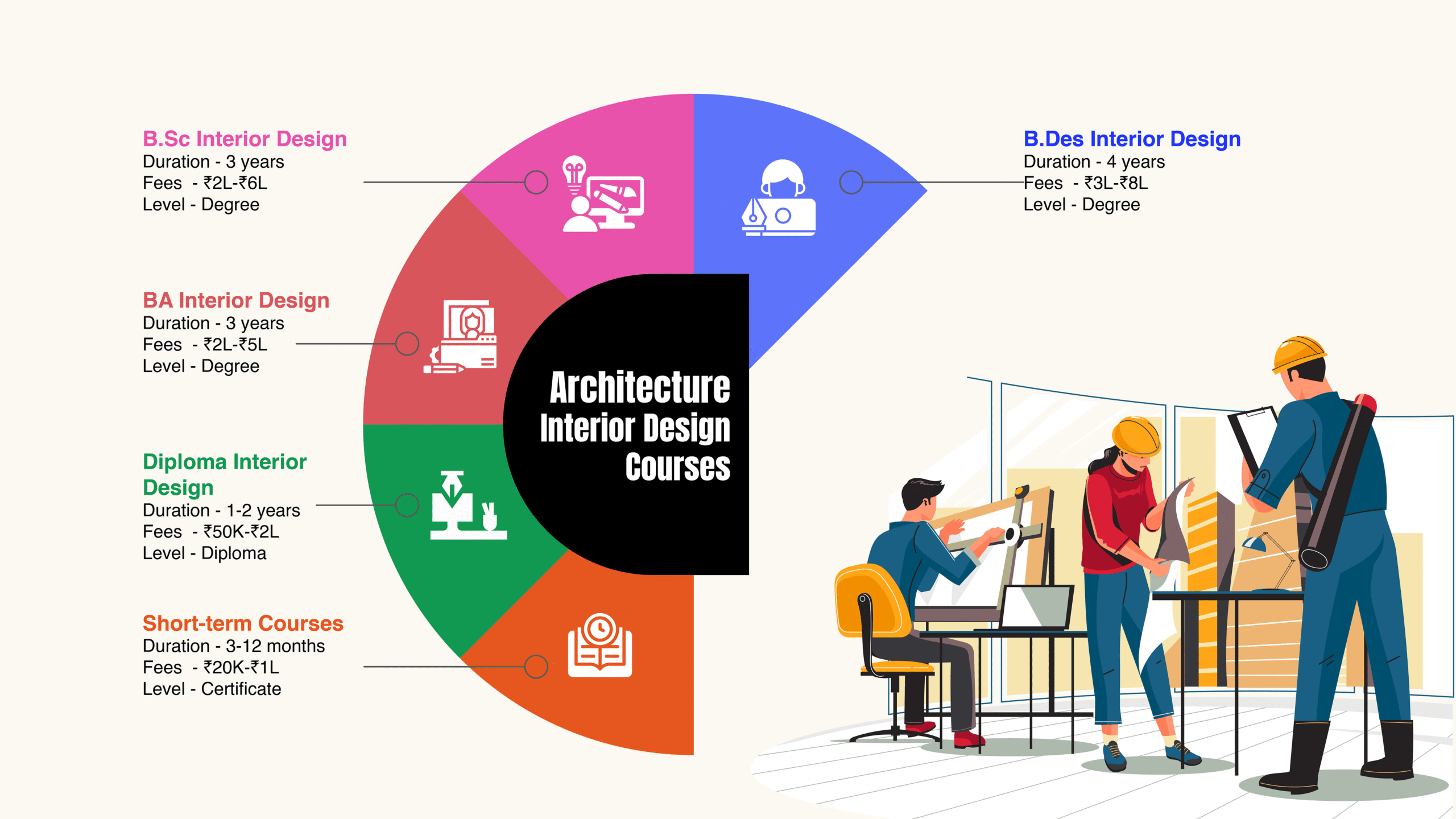
Design careers do not follow just one fixed route. Some students choose to pursue a full-time degree, while others prefer shorter, skill-based programs that help them enter the industry more quickly.
B.Des Interior Design
A Bachelor of Design (B.Des) focuses heavily on design thinking, studio work, and practical project development. Students spend significant time building portfolios and learning creative problem–solving skills.
Duration: 4 years
Fees: ₹4 lakh – ₹8 lakh Per Year
Level: Degree
B.Sc Interior Design
A Bachelor of Science program in Interior Design is slightly more technical and structured. It focuses on applied design concepts, construction basics, materials, and spatial planning.
Duration: 3 years
Fees: ₹2 lakh – ₹6 lakh Per Year
Level: Degree
BA Interior Design
Some universities offer a BA in Interior Design that blends theoretical understanding of design history, aesthetics, and concepts with practical studio learning and projects.
Duration: 3 years
Fees: ₹2 lakh – ₹5 lakh Per Year
Level: Degree
Diploma in Interior Designing
A diploma in interior design after 12th is usually shorter and more skill focused. These programs help students gain practical knowledge and enter entry–level roles in the design industry quickly.
Duration: 1–2 years
Fees: ₹50,000 – ₹2 lakh
Level: Diploma
Short Term Interior Design Courses
Short–term interior design courses can range from three months to one year. These courses typically focus on specific skills such as design software, interior styling, space visualization, or furniture layout.
Duration: 3–12 months
Fees: ₹20,000 – ₹1 lakh
Level: Certificate
Architecture Interior Design Courses
Architecture and interior design programmes combine knowledge of building planning, construction systems, materials, and interior spaces. These courses are suitable for students who are interested in both structural planning and interior environments and want to work on integrated residential, commercial, hospitality, or institutional projects.
Eligibility Criteria of Interior Design Courses for 12th-Pass Students in 2026
The eligibility rules for most design programs are fairly straightforward, which makes it easier for students to understand how to become an interior designer and plan their academic journey step by step after completing school.
Basic Eligibility
Students must complete 12th grade from a recognized board. Some colleges may ask for minimum marks.
Entrance Exams
Certain design institutes conduct aptitude tests or portfolio reviews. These are meant to understand your creativity and design thinking.
Stream Requirements
Students from Arts, Commerce, or Science streams can apply. Maths is not compulsory for many interior design programs.
Understanding interior design courses eligibility helps students shortlist the right colleges.
Confused which course to choose? Talk to a counselor
Get a Call BackEntrance Exam for Interior Designing After 12th
Many students ask whether a design entrance exam for interior designing after 12th is required. While some colleges offer direct admission, many reputed design institutes conduct entrance exams or design aptitude tests.
Popular Entrance Exams for Interior Design:
| Entrance Exam | Accepted By | Purpose |
|---|---|---|
| IMS DIA DAT | IMS DIA | Design aptitude and creativity |
| NID DAT | NID | Design aptitude and observation |
| UCEED | IITs | Undergraduate design admission |
| NIFT Entrance Exam | NIFT | Design and fashion programmes |
| CEED* | Selected PG Programmes | Postgraduate design admission |
Students should review the syllabus, previous years’ question papers, and exam pattern before appearing for any design entrance examination. Regular sketching practice, observation exercises, and logical reasoning preparation can improve performance.
Interior Design Course Fees in India
Interior design course fees vary depending on the qualification level, institute, location, facilities, and duration. Degree programmes generally have higher tuition fees because they include studio-based learning, internships, software training, workshops, and industry projects, whereas diploma and certificate courses are comparatively more affordable.
| Course | Average Fees |
|---|---|
| B.Des | ₹4–8 Lakh per year |
| B.Sc | ₹2–6 Lakh per year |
| BA | ₹2–5 Lakh per year |
| Diploma | ₹50,000–₹2 Lakh |
| Certificate | ₹20,000–₹1 Lakh |
Interior Design Course Duration and Curriculum Structure
The interior design course duration depends on the qualification level chosen by the student.
| Course Type | Duration |
|---|---|
| B.Des Interior Design | 4 Years |
| B.Sc Interior Design | 3 Years |
| BA Interior Design | 3 Years |
| Diploma in Interior Design | 1-2 Years |
| Certificate Courses | 3-12 Months |
What Students Learn During the Interior Design Course:
Year 1:
- Design Fundamentals
- Sketching
- Color Theory
Year 2:
- Space Planning
- Furniture Design
- Material Studies
Year 3:
- Commercial and Residential Design
- CAD Software
- Industry Projects
Year 4 (B.Des):
- Internship
- Portfolio Development
- Final Design Project
Students planning long-term careers in interior design generally prefer degree programmes because they provide deeper studio learning, internships, portfolio development, and broader career opportunities.
Interior Design Syllabus and Subjects
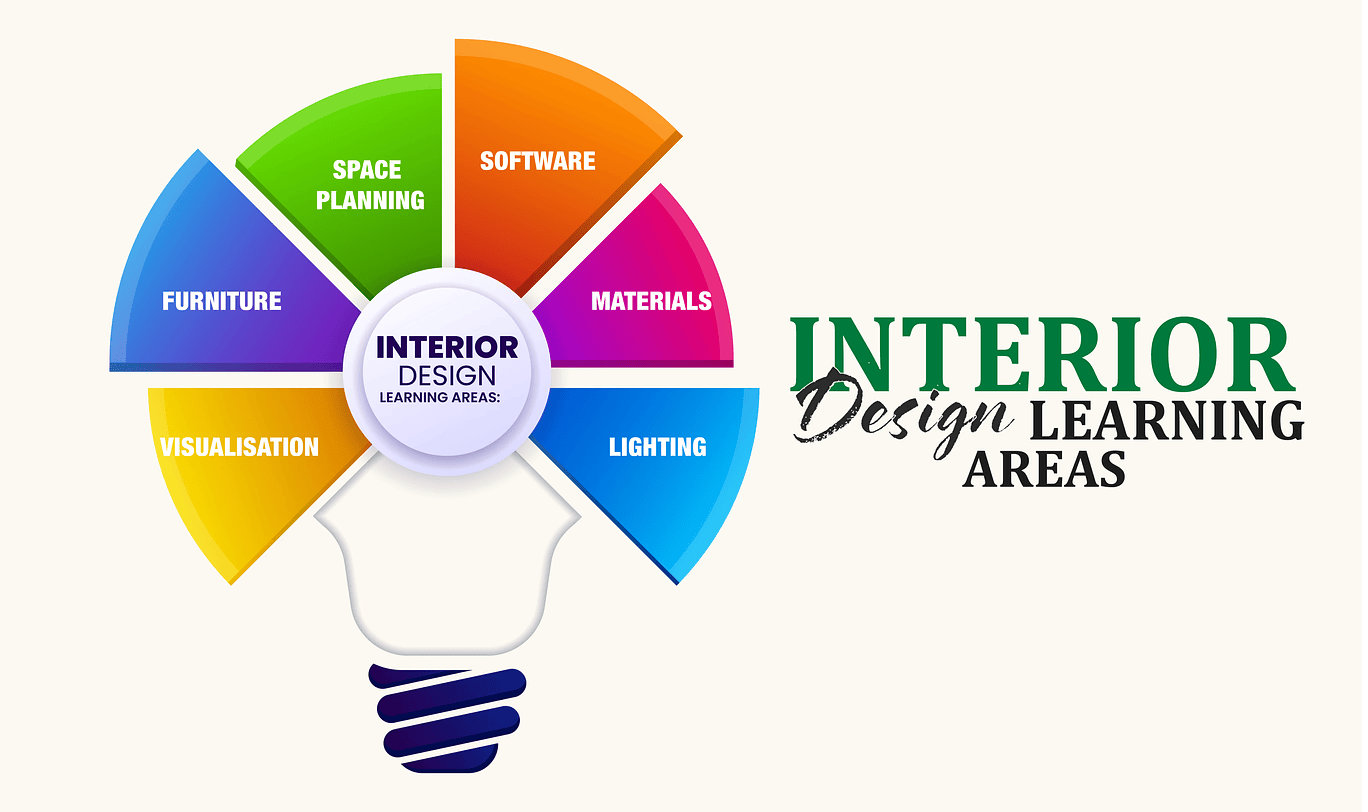
Most interior design subjects combine creative exploration with technical learning.
Typical subjects include:
- Interior design fundamentals
- Space planning and layout design
- Furniture design
- Lighting design
- Material and construction studies
- Design history
- AutoCAD and SketchUp
- 3D visualization tools
Students also work on studio projects where they design residential or commercial spaces. This is usually where real learning happens.
Software You Will Learn During an Interior Design Course
Modern interior designers rely on specialised software to create layouts, visualise spaces, prepare technical drawings, and present concepts to clients.
During most interior design courses, students learn software such as AutoCAD for drafting, SketchUp for 3D modelling, Revit for building information modelling, Photoshop for presentations, Illustrator for design graphics, and Lumion or similar rendering software for realistic visualisations.
Learning these tools alongside studio projects improves technical proficiency and increases placement opportunities after graduation.
Best Interior Design Colleges in Delhi NCR & Noida
Students searching for interior design colleges in Delhi and interior design colleges in Noida often compare institutes based on faculty, industry exposure, studio infrastructure, internships, and placement opportunities.
| College | Location | Popular Programme | Approx. Duration |
|---|---|---|---|
| IMS DIA | Delhi NCR | B.Des Interior Design | 4 Years |
| Pearl Academy | Delhi | Interior Design | 4 Years |
| Amity University | Noida | B.Des Interior Design | 4 Years |
| LISAA | Delhi NCR | Interior Design | 4 Years |
| Sushant University | Gurugram | Interior Architecture & Design | 4 Years |
Why Students Prefer Interior Design Colleges in Delhi NCR
- Strong industry exposure
- Access to architecture and design firms
- Better internship opportunities
- Frequent design workshops and exhibitions
- Higher placement opportunities
For students looking for an interior design course in Noida or Delhi, it is important to evaluate studio facilities, software training, live projects, and placement support before choosing a college.
How to Become an Interior Designer After 12th: Step-by-Step Guide
If you are wondering how to become an interior designer after 12th, the process is straightforward. By choosing the right course, developing practical skills, and gaining industry experience, you can build a successful career in interior design.
Step 1: Complete Class 12
Students from Arts, Commerce, or Science streams can pursue interior design courses after completing Class 12. Most colleges do not require Mathematics as a compulsory subject.
Step 2: Choose the Right Interior Design Course
Select a course based on your career goals. A B.Des or B.Sc programme is suitable for students seeking comprehensive education, while diploma and certificate courses are ideal for developing specific practical skills in a shorter time.
Step 3: Prepare for Entrance Exams
Many reputed design institutes conduct entrance examinations or aptitude tests to evaluate creativity, observation skills, logical thinking, and visualisation ability. Preparing for these exams improves your chances of admission to leading colleges.
Step 4: Learn Design Software
Interior designers regularly use AutoCAD, SketchUp, Revit, Photoshop, and 3D visualisation tools. Developing software proficiency during college significantly improves employability.
Step 5: Build a Strong Portfolio
Throughout your course, create sketches, concept boards, design projects, and 3D models. A well-developed portfolio is one of the most important factors during placements and client presentations.
Step 6: Complete Internships
Internships provide practical exposure to residential, commercial, and hospitality projects while helping students understand client requirements, budgeting, material selection, and project execution.
Step 7: Start Your Career
Graduates can work with architecture firms, interior design companies, real estate developers, furniture brands, or begin their own freelance design practice after gaining sufficient experience.
See How Interior Design Training Actually Happens at IMS DIA: Inside IMS DIA Interior Design Program
Interior Design Courses After 12th: Salary and Career Scope
Interior designer salaries depend on qualification, practical experience, software proficiency, portfolio quality, location, employer, and project complexity. Students who complete degree programmes and gain internship experience often have stronger career opportunities than those with limited practical exposure.
Here is a rough idea of interior designer salary growth in the field:
| Career Stage | Average Salary |
|---|---|
| Fresher | ₹3-5 LPA |
| Junior Interior Designer | ₹5-8 LPA |
| Senior Interior Designer | ₹8-15 LPA |
| Design Manager | ₹15+ LPA |
Factors Affecting Interior Designer Salary:
- College Reputation
- Portfolio Quality
- Internship Experience
- AutoCAD & SketchUp Skills
- Client Management Skills
Freelance interior designers may earn significantly more depending on project size and client base.
See If You’re Made for Design - Take the Design Aptitude Test
Start the TestJob Roles After Interior Design Course
Interior design is not limited to decorating living rooms and choosing sofas. The field is much wider than that.
Here are some common career paths designers move into:
1. Residential Interior Designer
Designing apartments and villas. Basically, all homes.
2. Commercial Interior Designer
Working on workspaces and corporate interiors.
3. Retail Space Designer
Planning store layouts and merchandising environments.
4. Hospitality Designer
Designing hotels and restaurants.
5. Furniture Designer
Creating custom furniture pieces for residential and commercial projects.
6. Exhibition and Event Designer
Designing temporary installations, trade show spaces and event environments.
Some designers also specialize in lighting design, kitchen design, or sustainable interiors.
Interior Design vs Architecture
Students often get confused about interior design and architecture. Both fields work closely together, but they focus on different aspects of space. To support aspiring professionals, several government schemes and policies for design students also provide scholarships, financial assistance, and skill development opportunities that make creative education more accessible.
| Basis | Interior Design | Architecture |
|---|---|---|
| Focus | Interior spaces and usability | Building structure and construction |
| Education | Interior design programs | Architecture degree |
| Work Scope | Layout planning, furniture, lighting | Structural planning and building design |
| Collaboration | Works with architects | Often leads overall project |
A simple way to think about it is this. Architects design the building itself. Interior designers shape how the inside of that building functions and feels. Both professions often collaborate on the same project.
Conclusion
Interior design has quietly become one of the more interesting creative careers students can pursue after school. It combines creativity, technical knowledge, and problem solving in equal measure, which is why many students today choose to study at a leading design school in India to build strong industry skills and practical exposure.
With the growing demand for better designed homes, workplaces, and commercial spaces, the role of interior designers is becoming more important every year.
Students exploring interior design courses after 12th in India should take time to understand the different course options available. Degrees, diplomas and short programs each offer different pathways.
The key is choosing a college that provides strong studio exposure, good faculty, and real industry interaction. Once that foundation is in place, the career possibilities open up quite naturally.
FAQs
1. Which course is best for interior design after the 12th?
For students who want deeper learning a B.Des or B.Sc in Interior Design is usually the most comprehensive option. These programs include studio work, internships, and design software training. Diploma programs are also good for students who want a faster entry into the field.
2. Can I do interior design after passing 12th without Maths?
Yes, you can. Many interior design courses eligibility requirements accept students from Arts, Commerce or Science streams. Maths is not mandatory in many institutions.
3. What is the salary of an interior designer?
Entry level designers in India usually earn between ₹3 lakh and ₹5 lakh per year. With experience, designers can earn much more, especially if they manage projects or run independent studios.
4. Which entrance exam is required for interior design courses?
Some design colleges conduct their own entrance tests or portfolio reviews. These tests often evaluate creativity and basic design thinking over academic memorization.
5. What is the duration of the interior design course?
The interior design course duration depends on the program type. Degree programs usually last 3 to 4 years. Diplomas may take 1 to 2 years while short term courses can last anywhere between 3 months and 1 year.
6. Which college is best for interior design?
Several institutions in India offer strong programs including IMS DIA, NID, CEPT University, Pearl Academy, and JJ School of Art. Students searching for the best interior designing colleges in India should compare faculty, studio facilities and industry exposure before applying.
7. What skills are required for an interior design course?
Successful interior designers develop creativity, spatial visualisation, sketching, communication, problem-solving, attention to detail, material knowledge, and proficiency in software such as AutoCAD, SketchUp, Revit, Photoshop, and other 3D visualisation tools. Most of these skills are developed through studio projects, internships, and practical learning during the course.
8. Can Commerce students pursue interior design after Class 12?
Yes. Most interior design colleges accept students from Arts, Commerce, and Science streams. Eligibility requirements vary by institute, but Mathematics is not compulsory for many undergraduate interior design programmes.
